LOST GRIDS: OR HOW TO EXPLAIN DIGITAL MEDIA TO A DEAD SOCIALIST >
[2018 - Present]
< Short Story >
The project comprises a generative mechanism built from an artistic misuse of digital code. A two-step: Images and texts are appropriated from the cultural archive and coupled to form networks of obliquely associated image-text pairs. A text is then selected from each network and entered directly into the underlying code-bed of the digital image with which it has been paired. A rupture results in the picture, and from this glitch a grid is extracted and scaled up multifold. The relationship between grid as surface and network as depth forms the project's conceptual core:
The essence of surface and depth:
incommensurability;
that is to say,
radical ornamentalism and radical obscurantism.
The Lost Grids project to-date has yielded prints, artist books, video installations, and performance-based work (samples below).
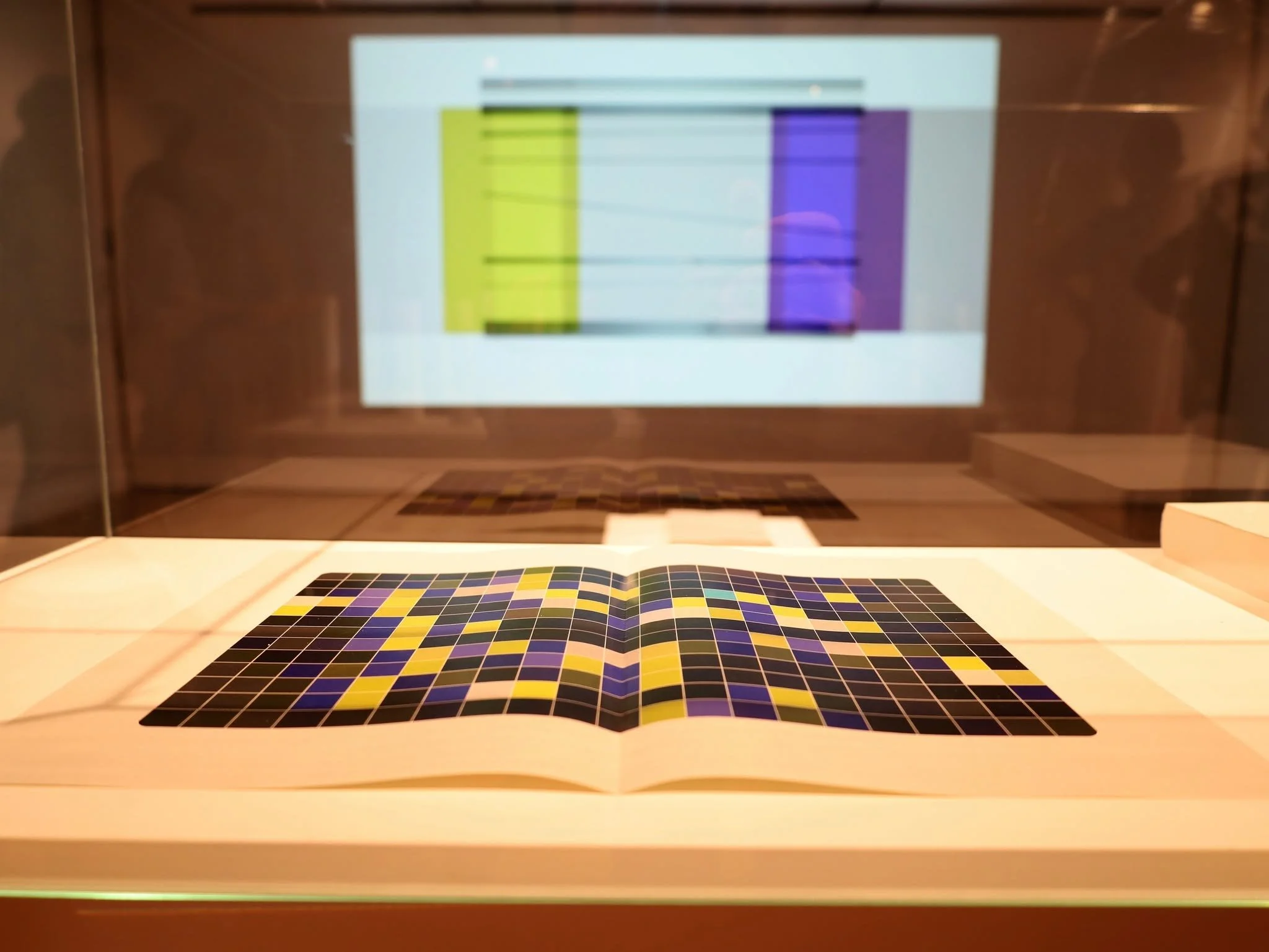
Detail: <000_MARX_BEARD>. Foreground: grid print in vitrine display. Background: a looped animated grid projected onto a diagrammatic wall graphic.
Mudas Museum of Contemporary Art, Portugal (May-Oct 2025).
LOST GRIDS >
Project manifestation as an artist book.
22.5 cm x 30.5 cm
Enclosure for six booklets, one for each «lost grid» and a sixth presenting the loose prints (in A3) of the five grids (slide show below).
Acquisition by MACBA Archive (Barcelona Museum of Contemporary Art).
Catalogue entry: Collecció MACBA, Centre d’Estudis i Documentació

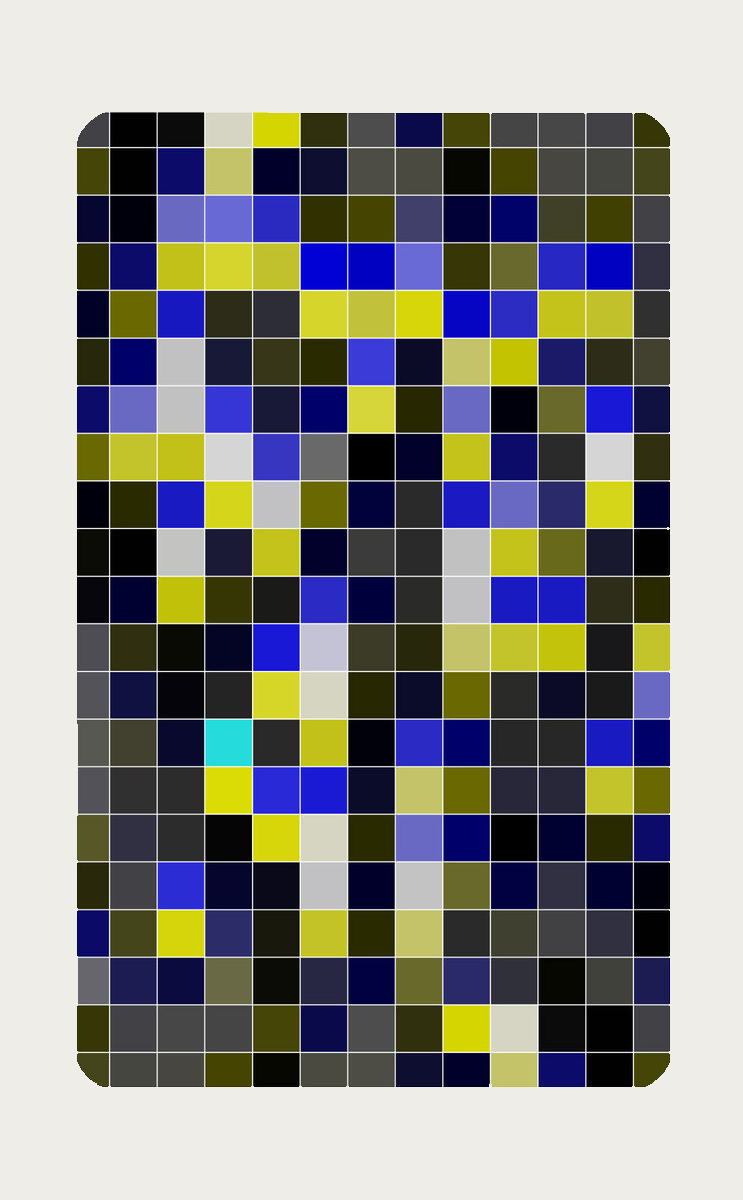
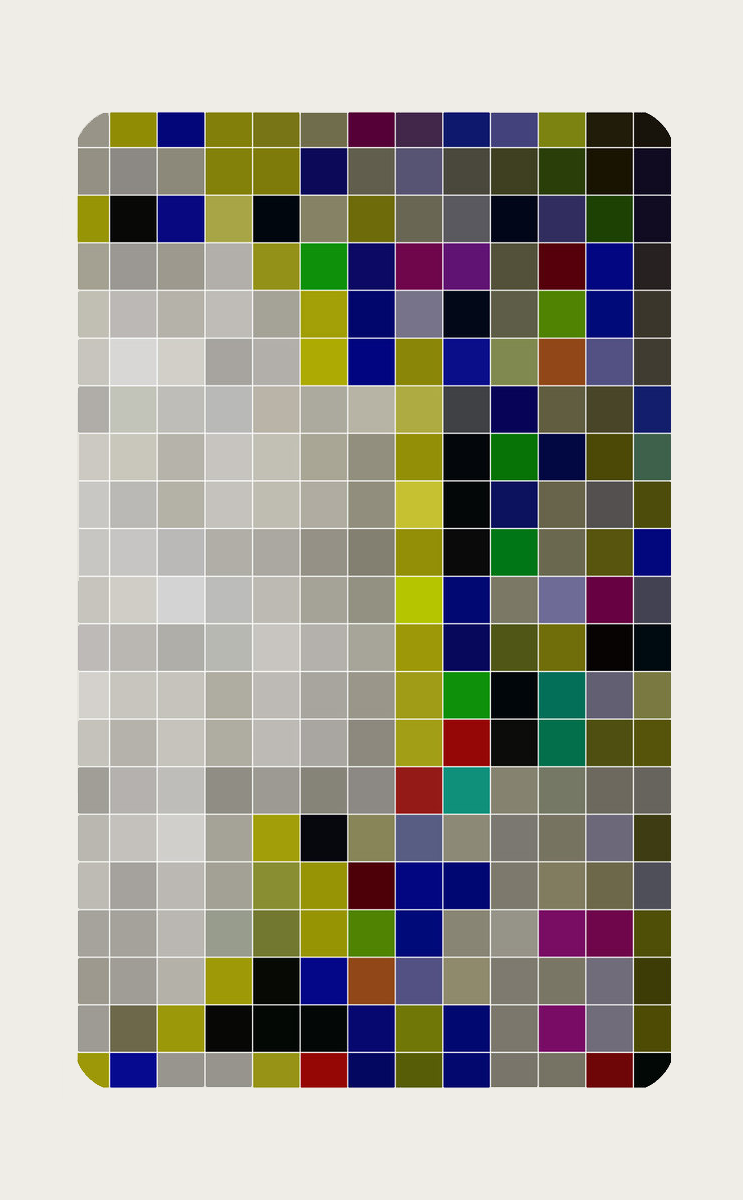
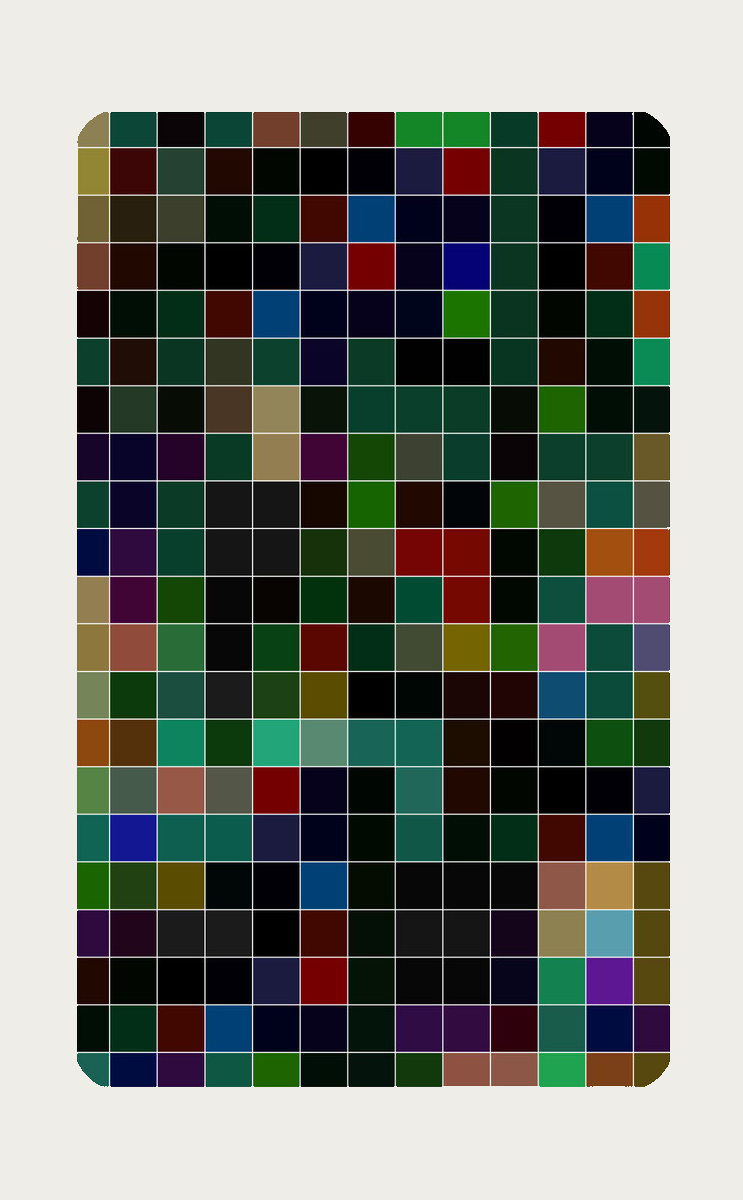
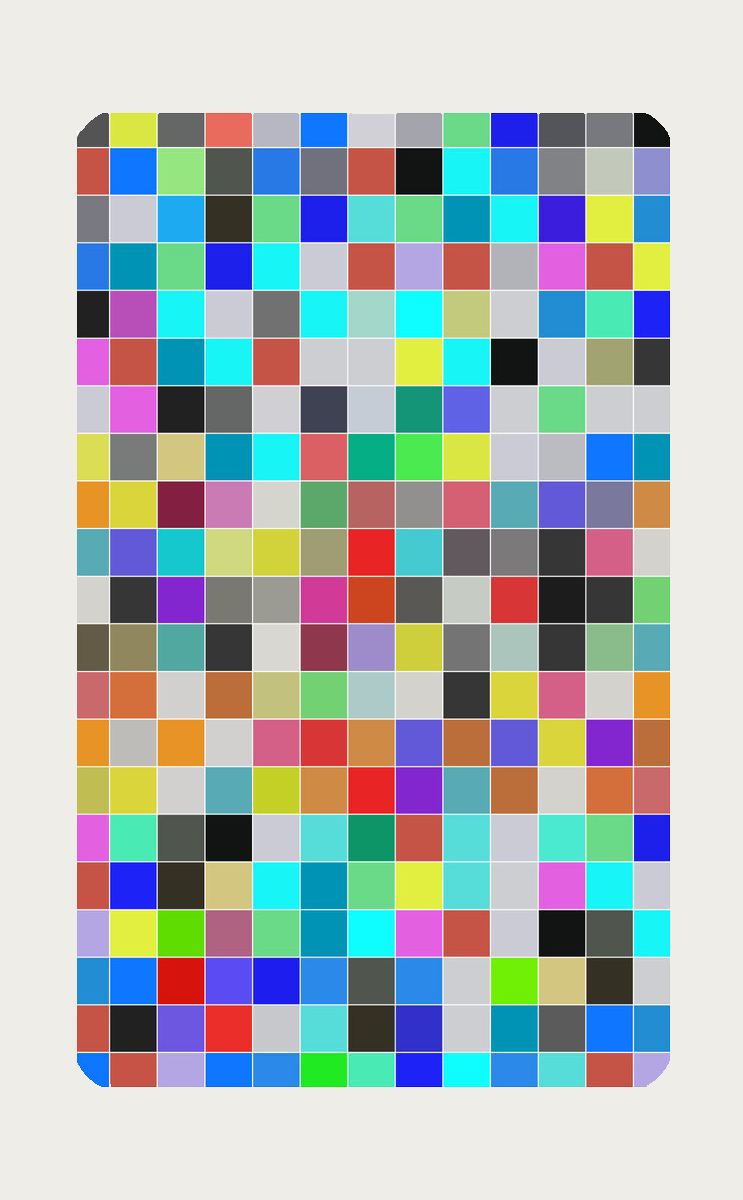
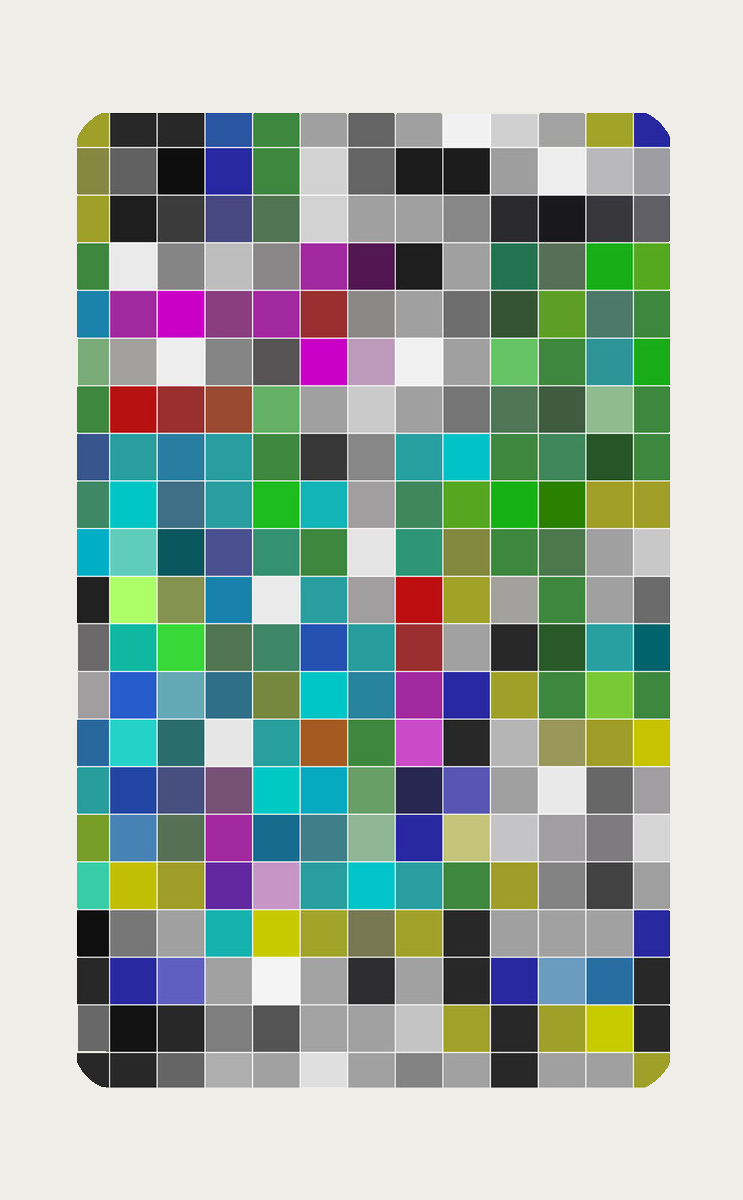
NOVELLA_DEL_GRASSO (2023)
[Fourth of five Lost Grids]
Source Material >
Image-Text Pairing: a perspective drawing (Andrea Pozzo) and a tale of Filippo Brunelleschi
Anamorphic perspective drawing (Andrea Pozzo, 1693)
[Perspective Experiment]
After Filippo Brunelleschi
(Early 15th Century)
« Manetto, known as il Grasso, was prosperous and good-natured, but one day had the misfortune of incurring Filippo’s ire after missing a social gathering. Never one to resist retaliation, Filippo resolved to exact his revenge for this perceived slight by persuading a wide cast of characters to convince Manetto that he had metamorphosed into someone else: a well-known Florentine named Matteo. »
Ross King, Brunelleschi’s Dome (2000)
Novella_del_Grasso [resulting manifestation of text-image intervention as a grid print] >
Digital print mounted between glass and aluminum
60 cm x 85 cm
HEXBOOKS >
The underlying hexadecimal code of the resulting Lost Grids have been formed into «Hexbooks», each made of 500+ pages of loose-leaf sheets. With these books, some preliminary experiments with performing the code have been hatched: Hex Performance. The hexadecimal code becomes the basis of the «C’ode» installation series, which entails the animation of the grid and extracts from the vocal recitation of its corresponding hexadecimal code.
Project manifestation as 500+ page books of hexadecimal code.
C’ode
60 min loop
2026
This video-sound installation responds to the need to reconceptualize the archival image. The contemporary image is split between its specular surface, availed for human contemplation, and its digital, algorithmic depth that fuels large instrumentalized, techno-political systems. C’ode flips the specular and instrumental relation. The latter is brought into the foreground as the focus of contemplative interest while the former is driven into the background as if it were the material excuse for an operation.
C’ode comprises an hour-long video-sound installation that is part of the ongoing project entitled «Lost Grids: or How to Explain Digital Media to a Dead Socialist» (2018-Present). A set of visual glitches is produced by inserting specific cultural texts into the code-bed of archival imagery. Each glitch is magnified and adapted as the visual track of the installation. Extracts from the underlying hexadecimal code of each glitch are recited accompanied by subtitles that reveal that a vocal interpretation is taking place. The recitation oscillates between «languages»: English, Mandarin, and mathematical shortcuts.
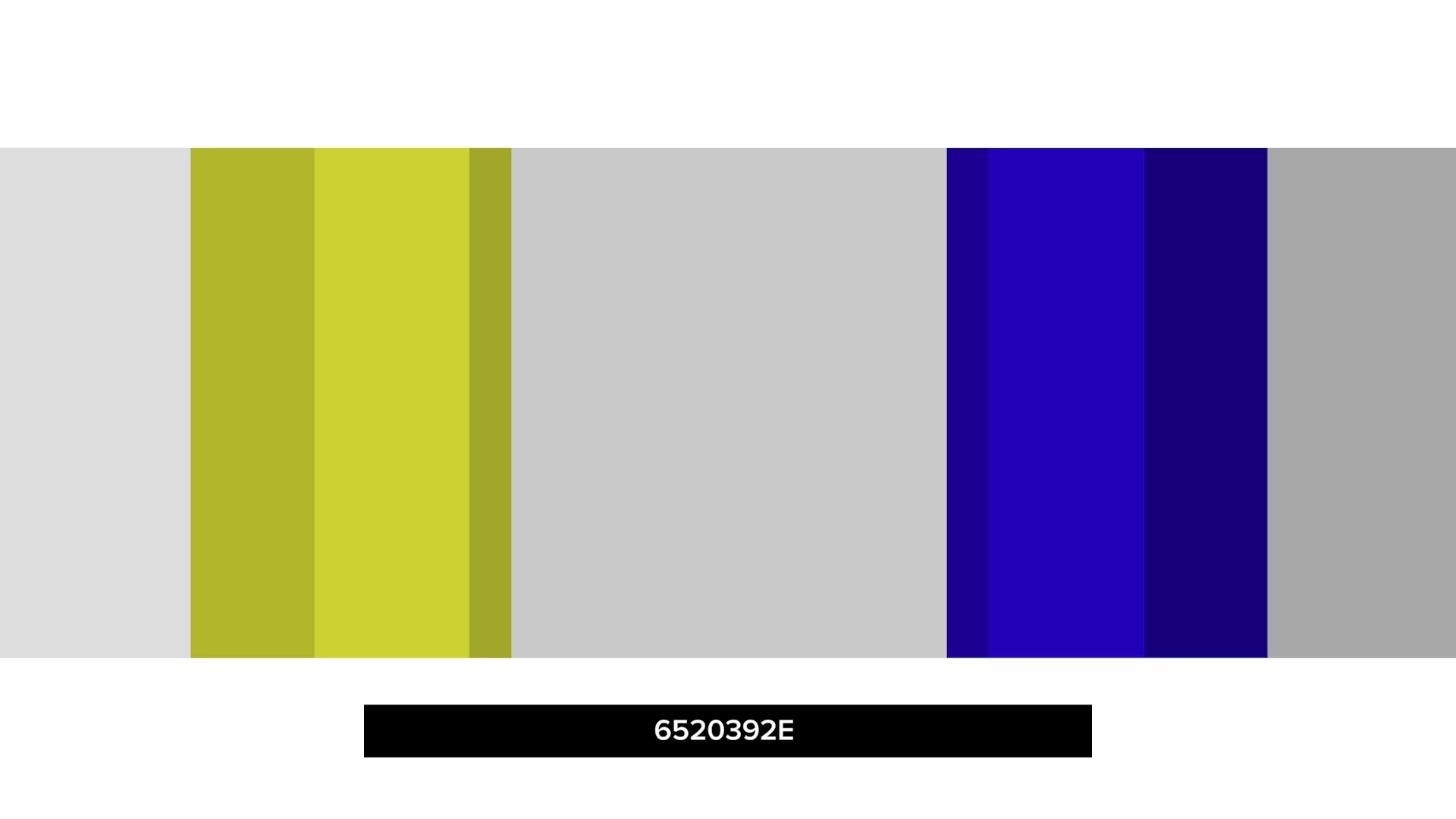
Screenshot from C’ode: Marx’s_Beard segment
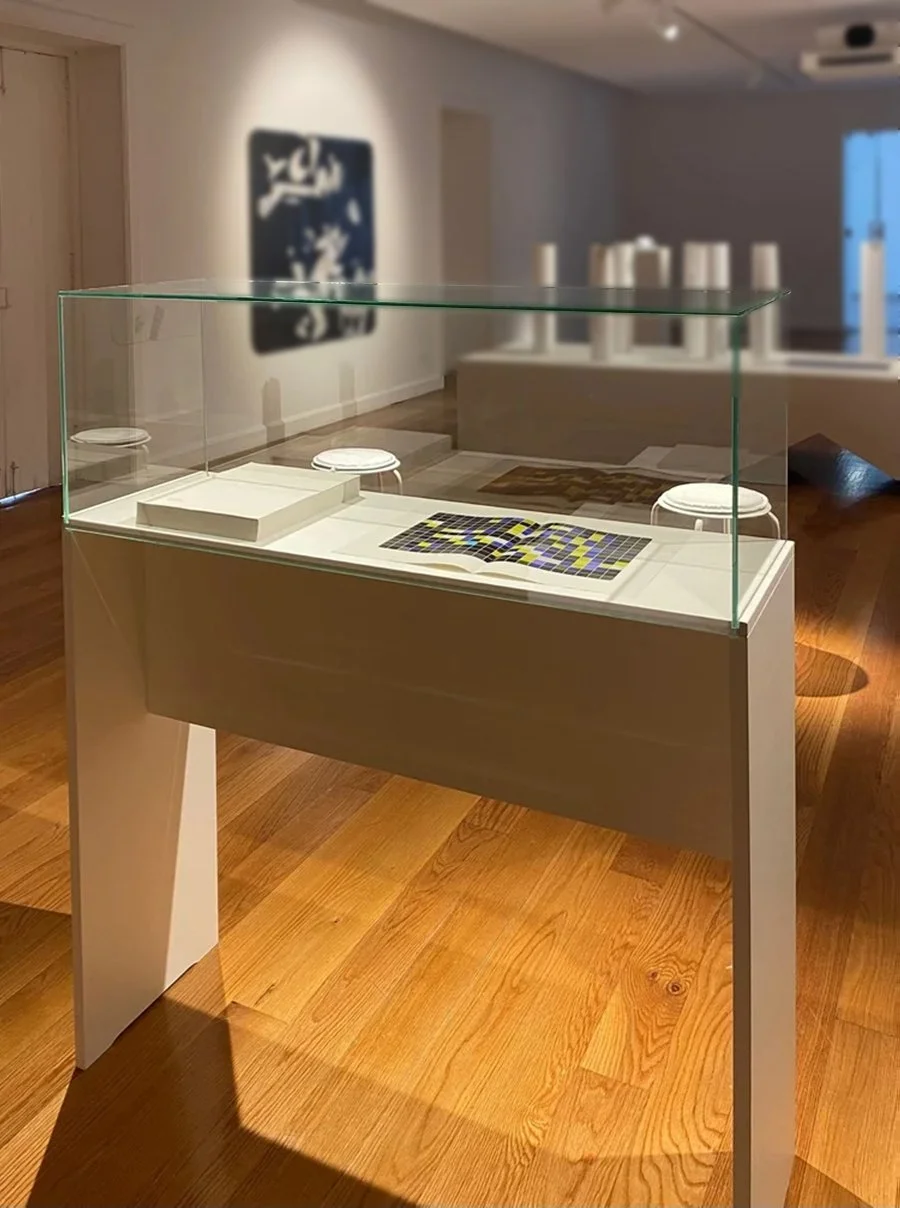
Materials to accompany «C’ode» installation: vitrine presents (at left) a hexbook for the corresponding grid print (at right).
SELECT-ALL >
In this manifestation (see below), the hexadecimal code is presented in a linear format without line-breaks, abstaining from the necessary discontinuities found in code production, paragraphing, and poetic enjambment. One here encounters the impossibility of reading and viewing at the same time – that is, code as text and as image.
HEXBOOKS (videos) >
Below are videos of the 500+ page Hexbooks (comprising the code that undergirds each grid) scrolling as videos.
Transformed from Lost Grids: <Marx’s Beard> hexbook.
Transformed from Lost Grids: <Arrival of the Train> hexbook.
Transformed from Lost Grids: <The House Is Black> hexbook.
Transformed from Lost Grids: <Novella del Grasso> hexbook.
Transformed from Lost Grids: <Portolan Orifice> hexbook.