Continuing preparation on the upcoming Porto exhibition at INSTITUTO as part of the 2026 Archive, Memory, Ethnography International Film Festival. The exhibit opens October 12 at INSTITUTO, Rua dos Clérigos 44, 4050-204, Porto. Reception at 5:30 PM local time.
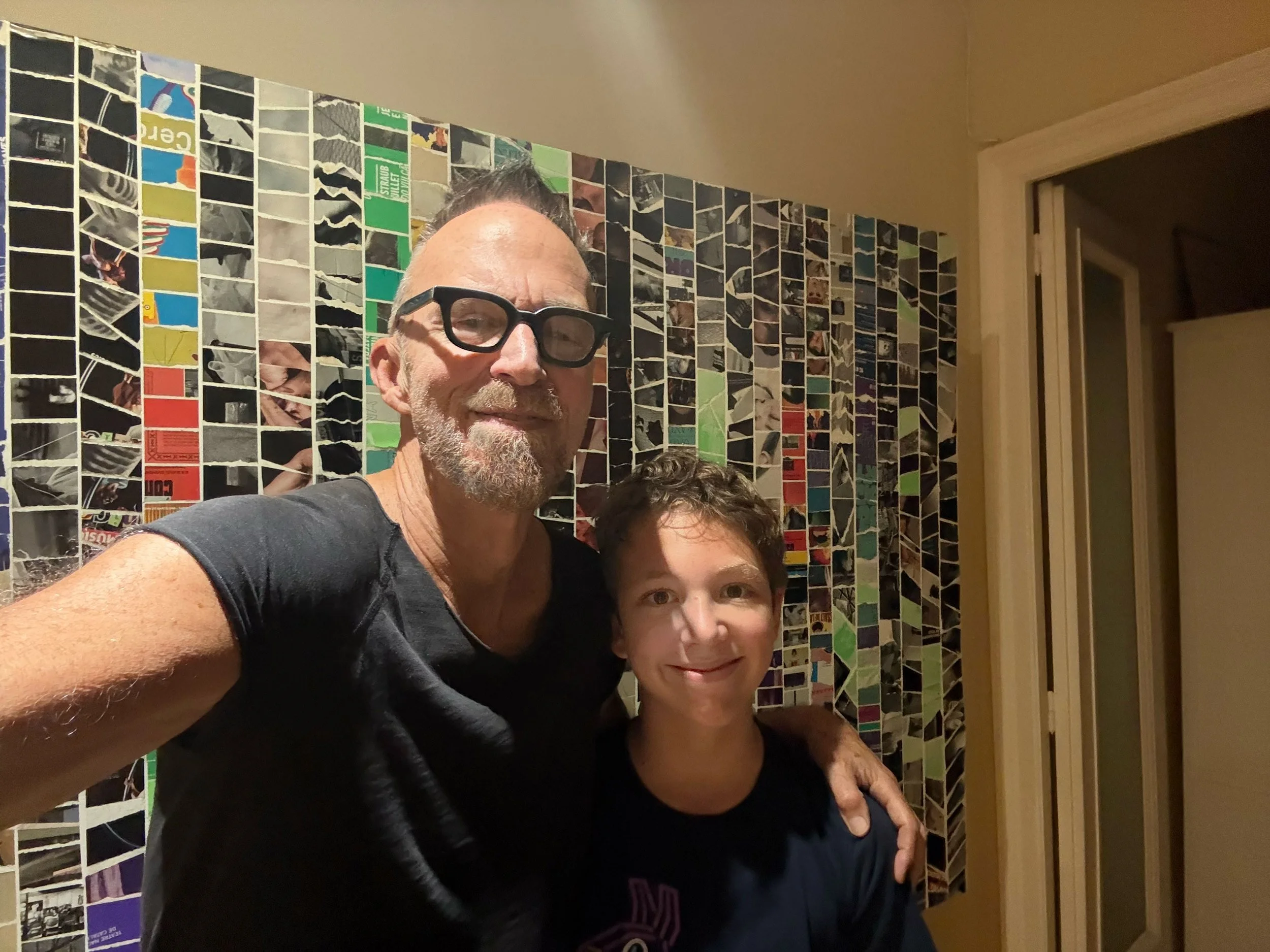
Double Trouble approaches completion
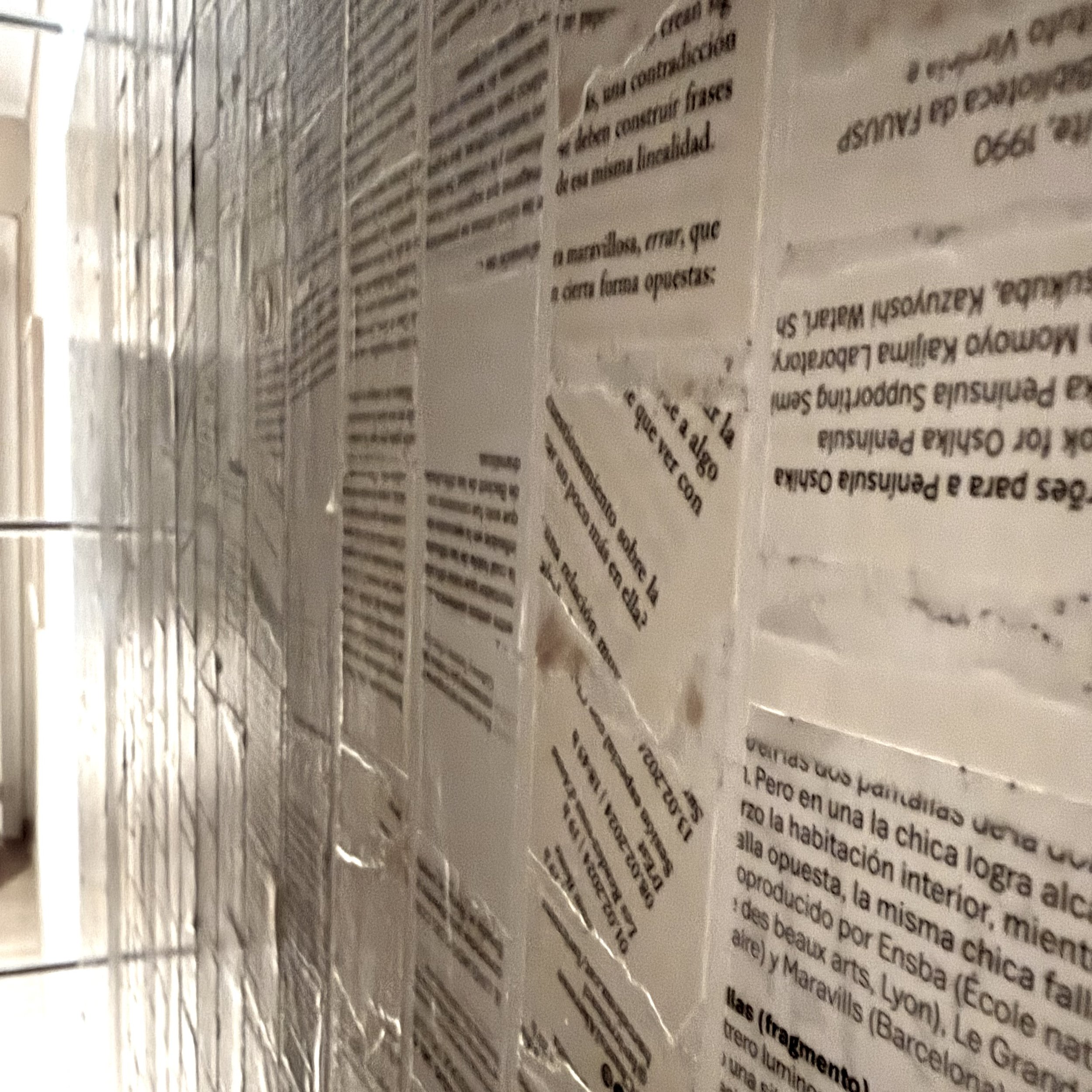
My assistant and collaborator holds into position the double-canvas (146 cm x 114 cm x 15 cm) nearing completion, assembled rip by rip, scrap by scrap over the course of seven months. The familiar premise: the image-text cohesion in the world helps to support or generate the symbolic reality which forms the ideological battlegrounds of everyday life. We took a stack of literature from art and culture exhibitions accumulated over the last 5-7 years and separated the pamphlet materials by two strokes: first, pictures from words; second, images from themselves and texts from themselves torn into indiscernible, illegible fragments. The scraps of pictures and words were separated in stripes onto different canvases more or less consistently as if to break the mutually compensatory bonds and mutually reinforcing meanings between the two mediums. Neither canvas faces the other, while the result bestows some beauty upon the incoherence. The familiar conclusion: the best way to appreciate art is not to explain it but at least to make art out of the explanations.
Article draft getting drafty
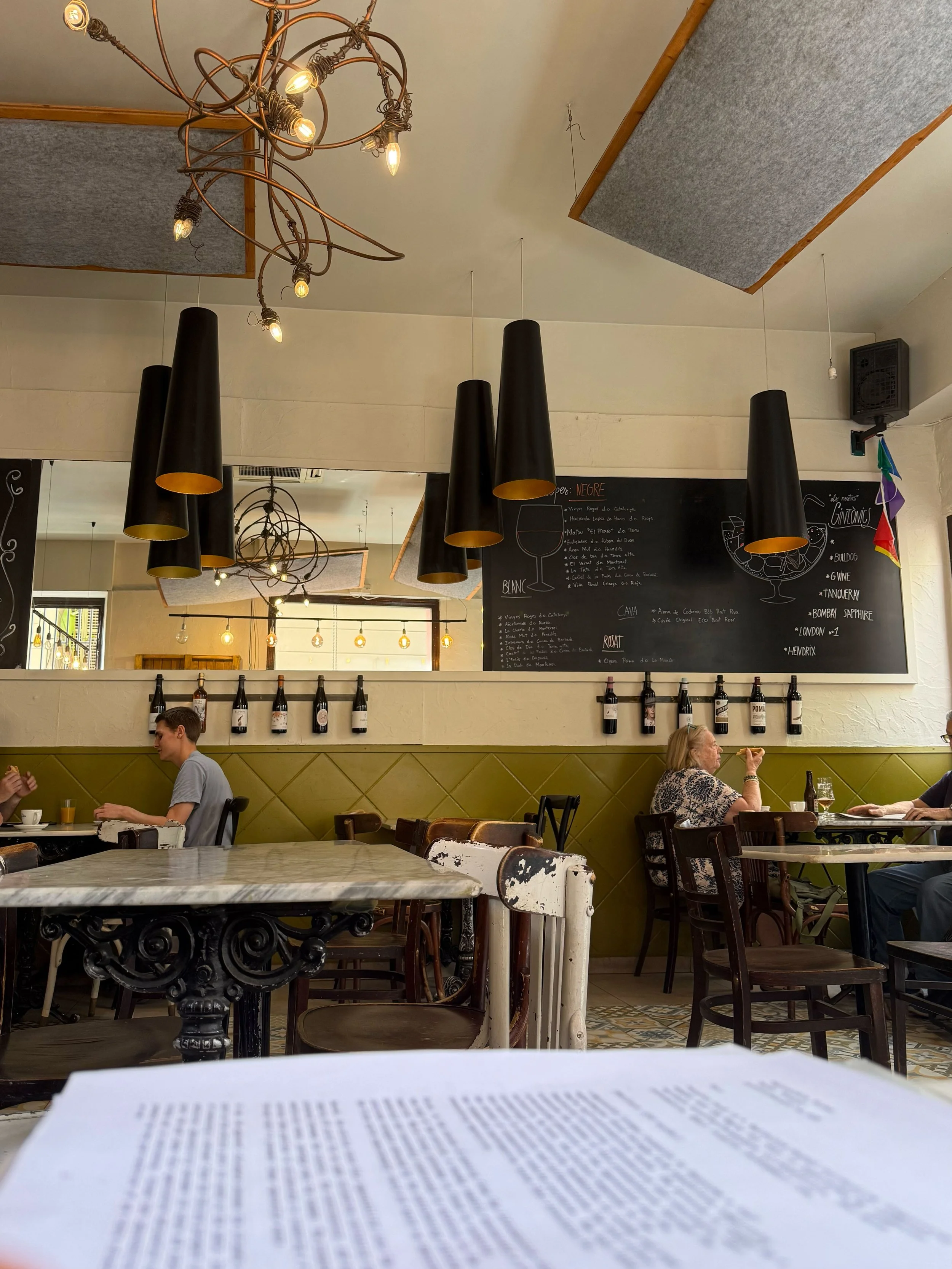
For weeks I have now been writing and rewriting the article for my ongoing curatorial project. Over time, the piece had become unexpectedly theoretical and conceptual at the expense of the core absurdist element. Today, suddenly, as I worked on the concluding section, a slight change in a single paragraph unexpectedly returned the absurdism from the grave. Now it is haunting me. As the submission deadline is upon me, the question has become: how can one tell such an extended joke that is so dead serious?
Budapest scouting trip
Last week I spent several days in Budapest with my wife. She was screening her documentary in a festival while I was meeting with art exponents, visiting an artist colony, and researching my family who lived in Budapest for generations until the need to emigrate. Short but excellent trip; I will return no doubt.
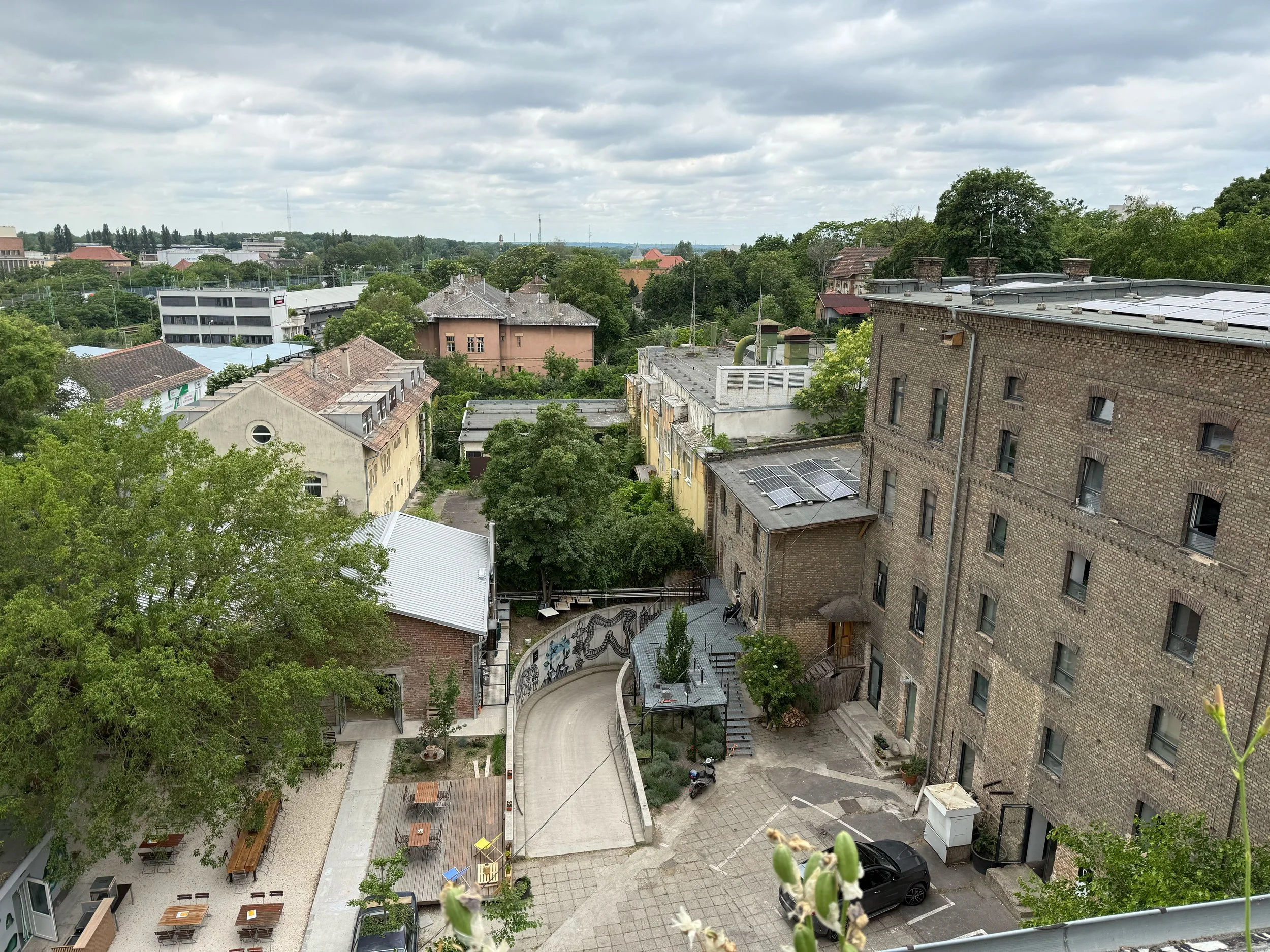
Art Quarter Budapest (AQB) complex (one side)
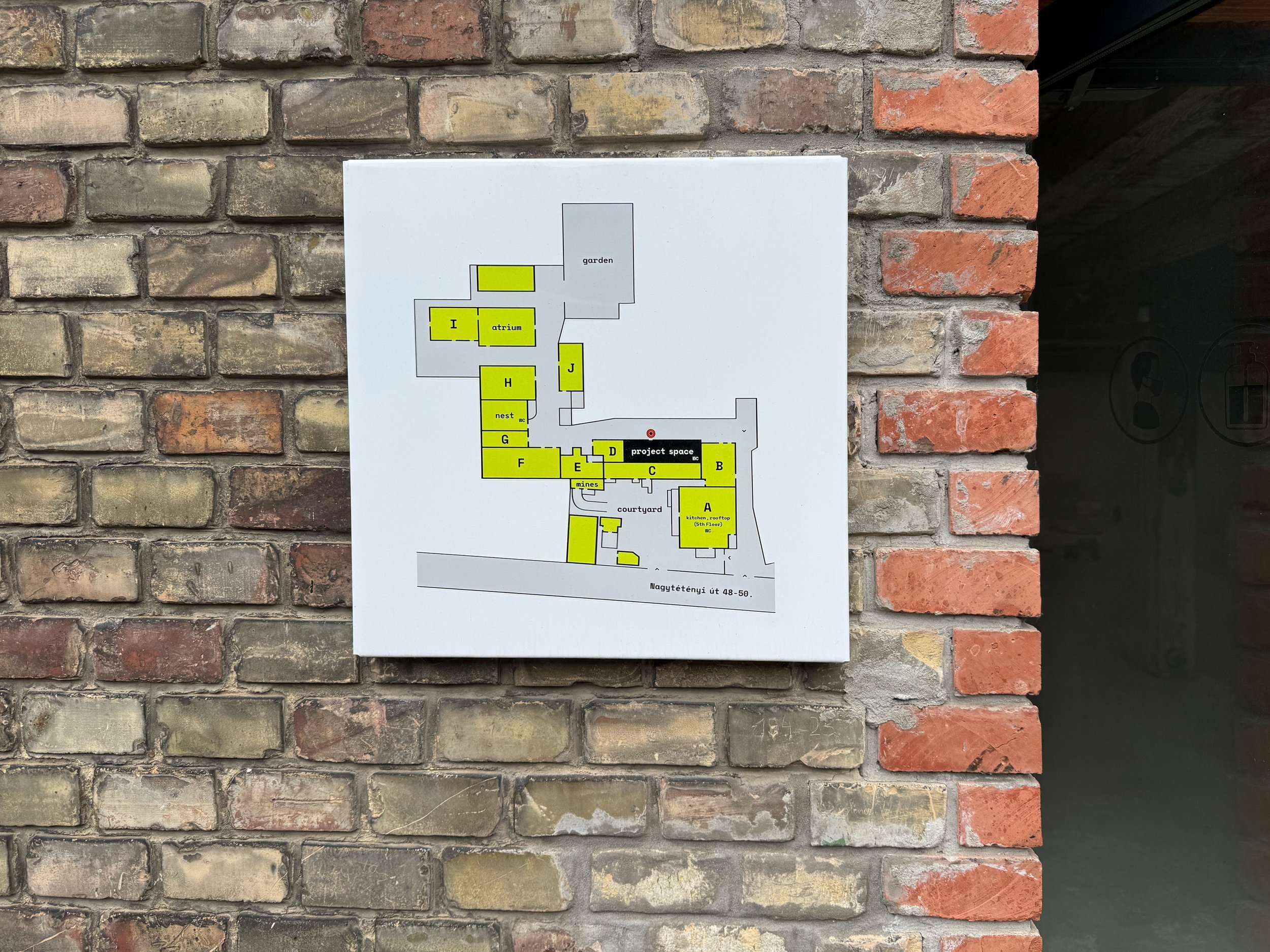
AQB map.
AQB exhibit space (one half of first)
AQB exhibit space (one half of second)
[Video]
ABSTRONIC: Egy új vizuális nyelv megteremtése felé - Az absztrakt mozgókép mitosza (MaMü Gallery). From experimental film historical overview of Budapestian and international artists from the last century.
Partnerek: MAMÜ Társaság, Euróhíd Alapítvány, Celluloidra Revolverrel, vizualzene.hu
Támogatók:
NFI Filmarchivum
Nemzeti Kulturális Alap
Magyar Müvészeti Akadémia
Rondella Galéria
MATE Rippl-Rónai Müvészeti Intézete
Celluloidra Revolverrel
vizualzene.hu
Association Light Cone
1910s archival photo from my family’s balcony.
Curatorial project in progress
I launched the invitations almost eight months ago, received the final contributions a week and a half ago, and am now in the thick of writing the article about this curatorial project. Twelve artists from the Iberian peninsula and the U.S. and a serious absurdist conceit. First comes the article, whose proposal has the interested ear of a journal’s publisher, followed by a proposal of an exhibition. The overarching project turns out to be a work of conceptual art and a collective leap. With relief of focus, I’ve partially settled back into work at my daily morning writing spots after that year of medical recoveries, 2025. Onward.
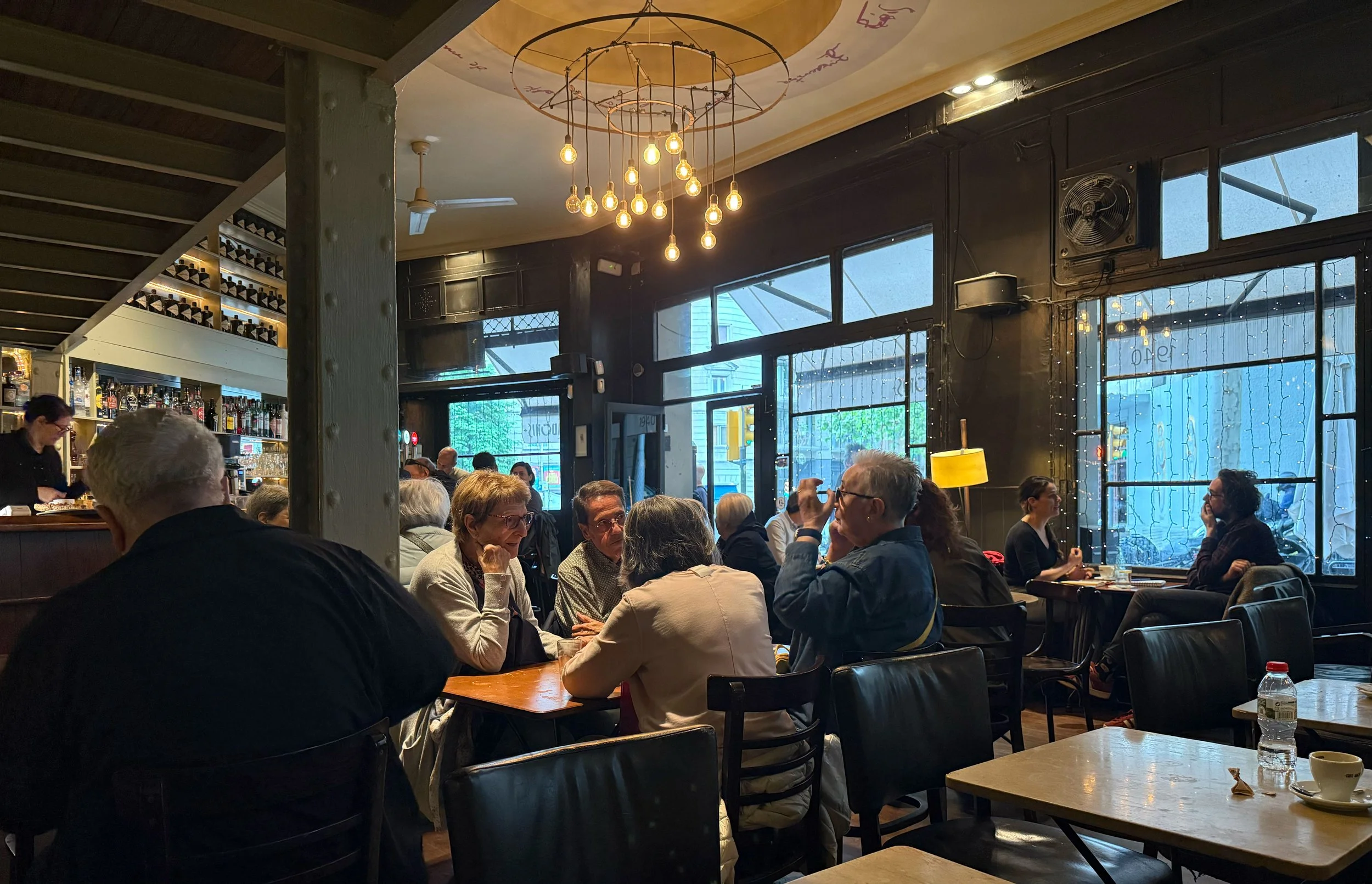
double collage in (slow) progress
A slow moving side project, assisted by my son: a double-canvased piece made of cut-outs from art and design materials, accumulated over two or four years from various exhibits and art-related promotional literature. The final result will transform these related items into two striped canvases, the front made of scraps from extracted images, the rear of scraps from extracted texts. Stripped of their illustrative layout, the separated pictures and words will no longer correspond with each other or with themselves. There’s the idea.
Strips in progress on wall.
First canvas mock-up
Culprits behind the double-decker in progress.
New Project: C[ode performance series
Still from «Color-Code: Marx’s Beard»
<video preview>
Notes toward «C[ode» series:
1
We now live in an age when, as the story goes, the image offers up less a display for the human eye than a data set – latent yet generative – that functions within operational systems. The data sets feed into algorithms and artificial intelligence within instrumentalized systems ranging from resource extraction, human surveillance, and military applications to product development, sales, labor management and beyond. Within the techno-political context, questions abound regarding this status of the image as well as its relation to the increasingly dubious classificatory and descriptive powers of semantic text.
2
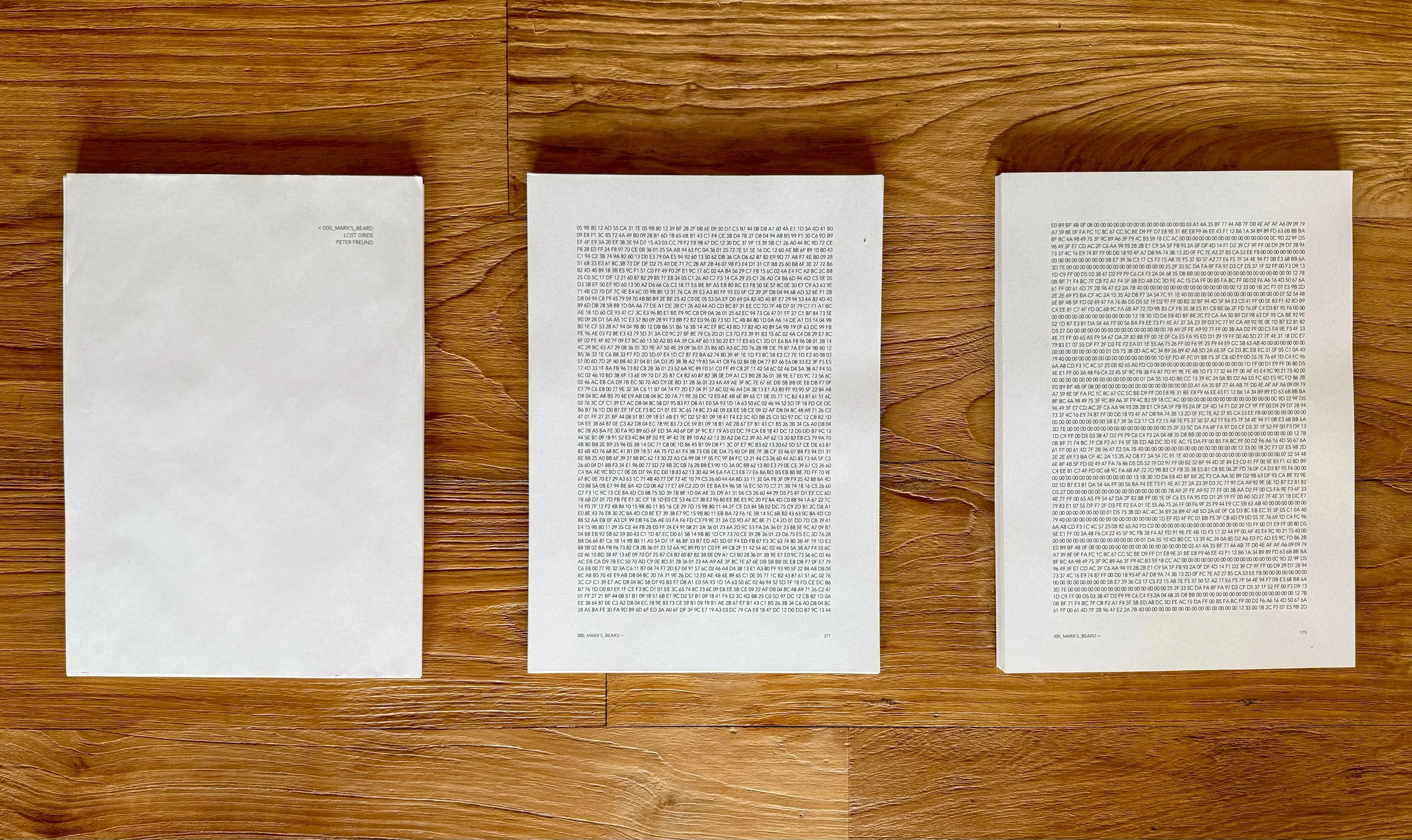
«C[ode: Marx’s Beard» comprises the first in a new five-part video installation series which presents the next manifestation of the ongoing project titled «Lost Grids: or How to Explain Digital Media to a Dead Socialist» (2018-Present). The «Lost Grids» work springs from the provocative coupling of images and statements cited from the cultural archive. In a collision between incompatible «languages», the texts are entered directly into the underlying code-bed of their corresponding images so as to produce in the latter a visual glitch which is ultimately magnified and forged into various artistic forms (prints, artist books, experimental texts, videos, performances). The visual track of «C[ode: Marx’s Beard» presents the multi-colored glitch produced when an incendiary self-critical statement from an avant-garde Marxist group (the Situationist International) opposing radical dogma has been entered into the code-bed of the certified portrait of Karl Marx.
3
A flip of surface and depth occurs here as the magnified glitch moves to become the surface image while the hexadecimal code undergirding this glitch is recited and shown in subtitles. A comparison between voice and subtitle reveals a literal yet sometimes unexpected and humorous interpretive recitation that mixes English with spurts of Mandarin as well as mathematical shorthands, all of which suggest a creative, aleatory or at least variable latitude for reading the numbers and letters revealed at hand.
4
The general project is an ongoing investigation of the incommensurability of surface and depth. The contemporary condition of the image – split between its optical, contemplative and its underlying computational dimensions – expresses the current historical variation of the basic division that structures the image as such. This historical variant embodies a predominantly technocratic function of the age-old mystery dividing surface and depth. The «C[ode» performance series comprises five video installations in variable lengths (2.5 min, 5 min, 30 min, 1 hour), designed according to different types of presentational venue.
Conference on art + psychoanalysis: Faculty of Philosophy, Complutense University Madrid
I attended and gave a talk at the Al Encuentro de lo Real (Toward an Encounter with the Real) conference, organized by the Lacanian group (Seminario Lacan Complutense) of the Faculty of Philosophy at the Complutense University of Madrid. Overall, the four-day conference offered a terrific series of presentations on wide ranging topics to forge relations between art and psychoanalysis (with special emphasis on the Lacanian Real), including panels, performances, debates, and informal exchanges….
…Positioned in the conference thread on artistic practice and resistance against the neoliberal commandment to enjoy, my talk «Towards a non-orientable methodology for art practice» proposed a quasi-model for developing individual and collaborative art projects, ultimately linking the Lacanian conception of impossibility and the urgent topic of collectivity.
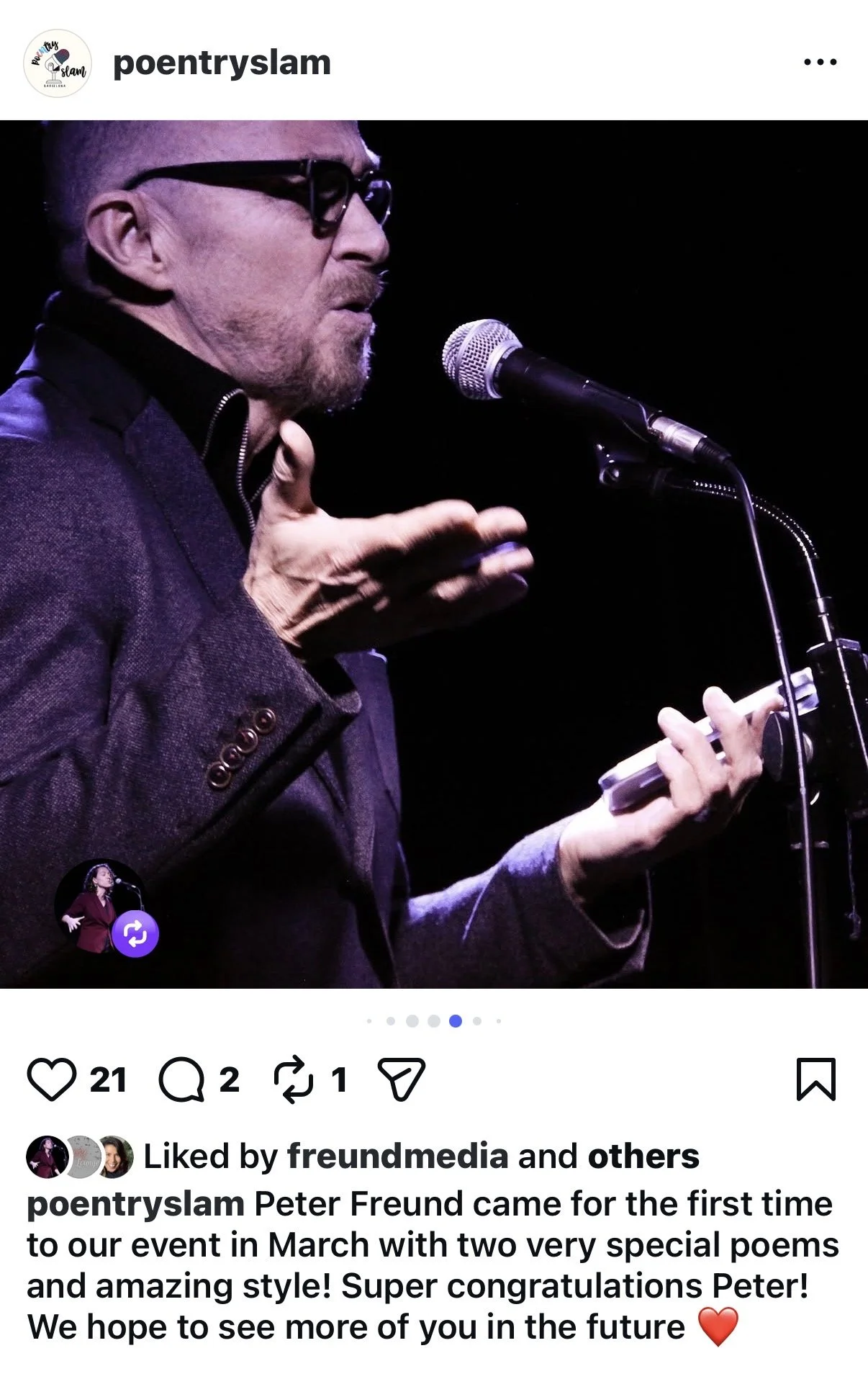
Poetry Slam
A nice diversion from preparations for a Madrid conference and next phase of a curatorial project. First time to participate in an actual poetry slam. The hosting team, Makis and Yzaura, were generous, and I enjoyed talking to folks after the event.
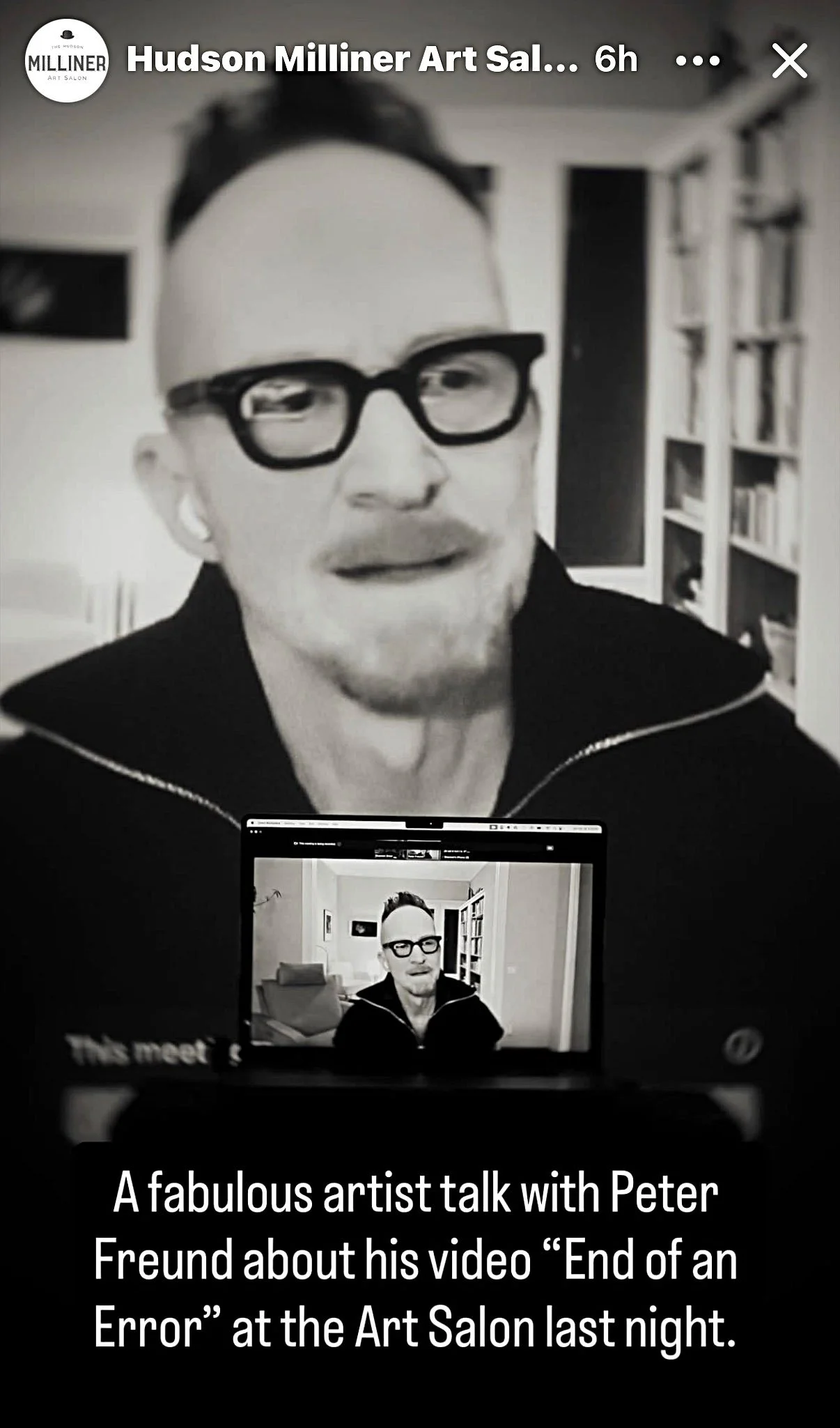
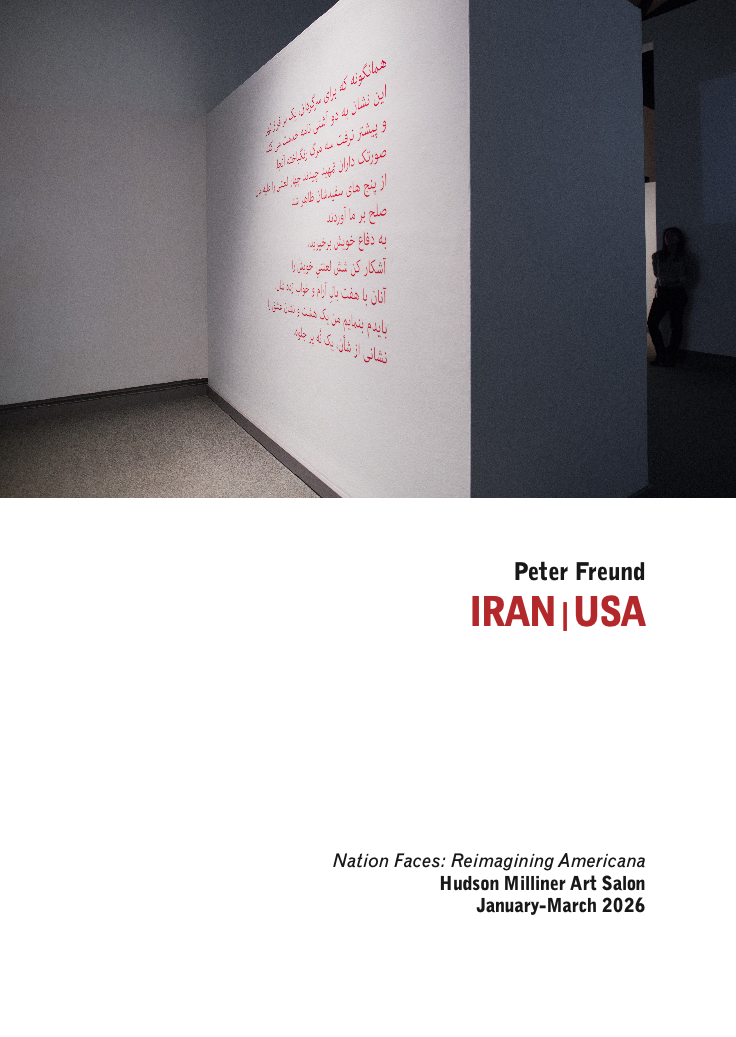
Reprise exhibition: Iran|Usa with artist talk
A transcript of the artist talk and dialogue: Iran|Usa artist talk 2026.
The first of the past weekend’s Middle East attacks on Saturday (28 Feb 2026) came the day of the reprise exhibition of my Iran|Usa show (staged in Tehran in 2015 and remounted in an expanded solo museum exhibit in 2017). This year New York’s Hudson Milliner Art Salon had already been showcasing one of the video installations from the Iran|Usa trilogy in their current group show (Jan-March 2026) when they arranged a special evening event to screen the full trilogy followed by an artist talk and discussion (via Zoom) that evening. I had been looking forward to showing the three pieces together in the U.S. again, after having presented individual pieces in various international gallery and festival settings in the intervening years. The coincidence of the attacks on the day of the exhibit resonated through the event that endeavored to navigate the relations and distinctions between art and politics.
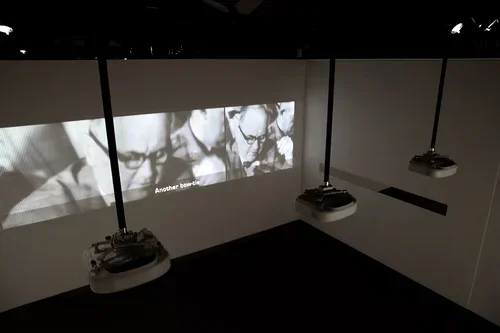
The End of an Error 01 (video triptych): more information.
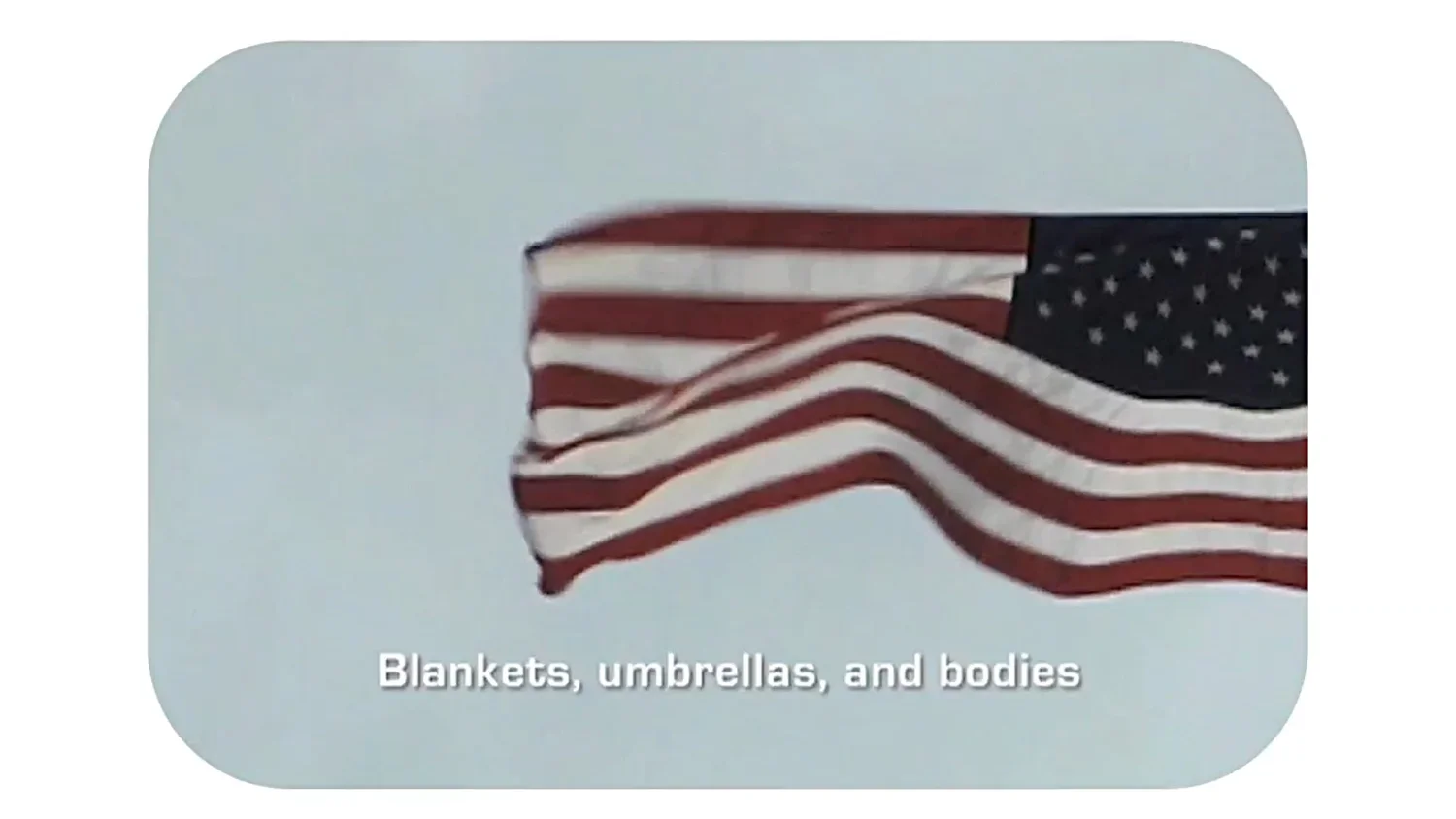
Acorus Calamus: more information.
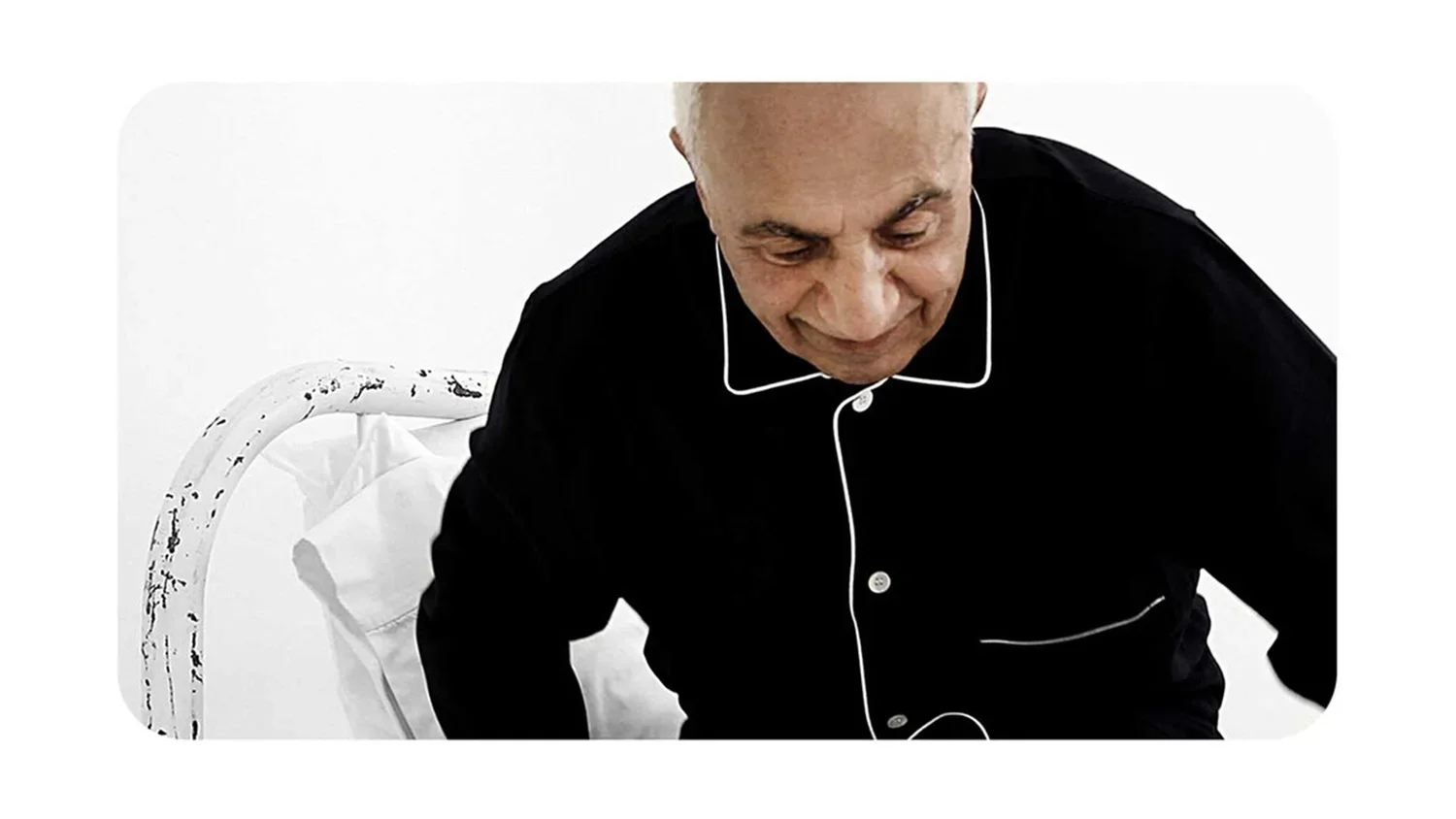
Erased Mossadegh: more information.
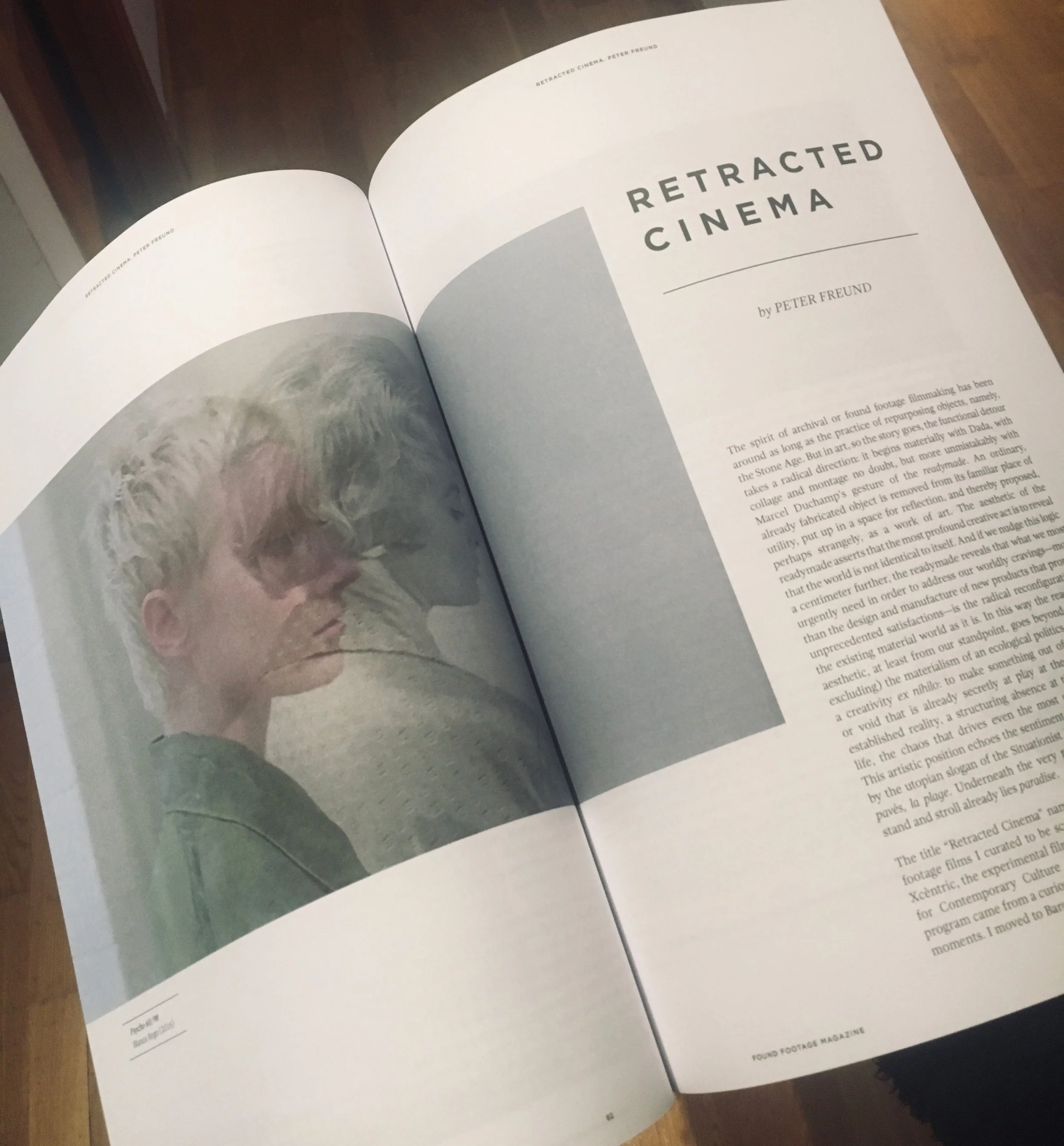
Retracted Cinema: Article published in Found Footage Mag (2021)
Late listing: Found Footage Magazine published an article (pdf) I wrote based on the Retracted Cinema film program I curated for Xcèntric, the experimental film archive of the Barcelona Centre for Contemporary Culture (2020). I remounted a revised version of the show as invited guest curator for the 11th Annual International Film Festival of Archive, Memory, Ethnography (2022) in Porto, Portugal.
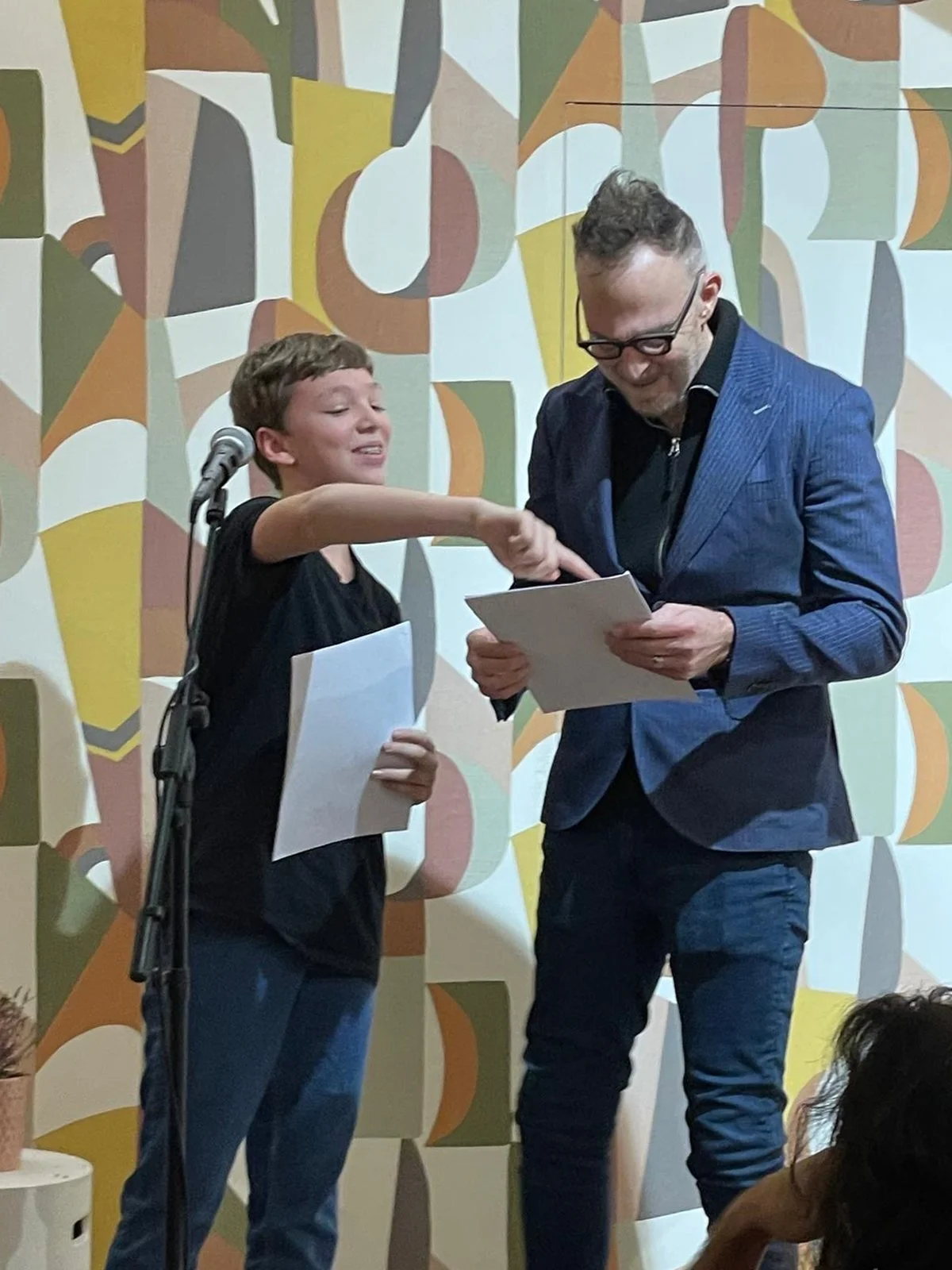
Drama Open Mic with my son
My 12-year-old son and I co-wrote a playlet we recited at the Gypsy Lounge open mic. In the photo, he’s just called for a volunteer from the SRO audience and picked me (surprise). He is shown here directing his co-actor to the script and the task at hand.
An excerpt of a longer reading: CRIME& PUNISHMENT.
Group exhibition: Reimagining Americana (Jan-March 2026)
My video installation, «The End of an Error», is screening in the Nation Faces: Reimagining Americana at the Hudson Milliner Art Salon, Jan 17-March 17, 2026. The venue is just up the Hudson in Hudson, New York.
An expanded screening of my Iran|Usa installation trilogy is slated for the night of Saturday, 28 February 2026, followed by Q&A and discussion with the Salon audience. (For more information and transcript, see March 1, 2026 blog entry.)
Conference: Time, Art & Contemporary Subjectivity (11-12 December 2025)
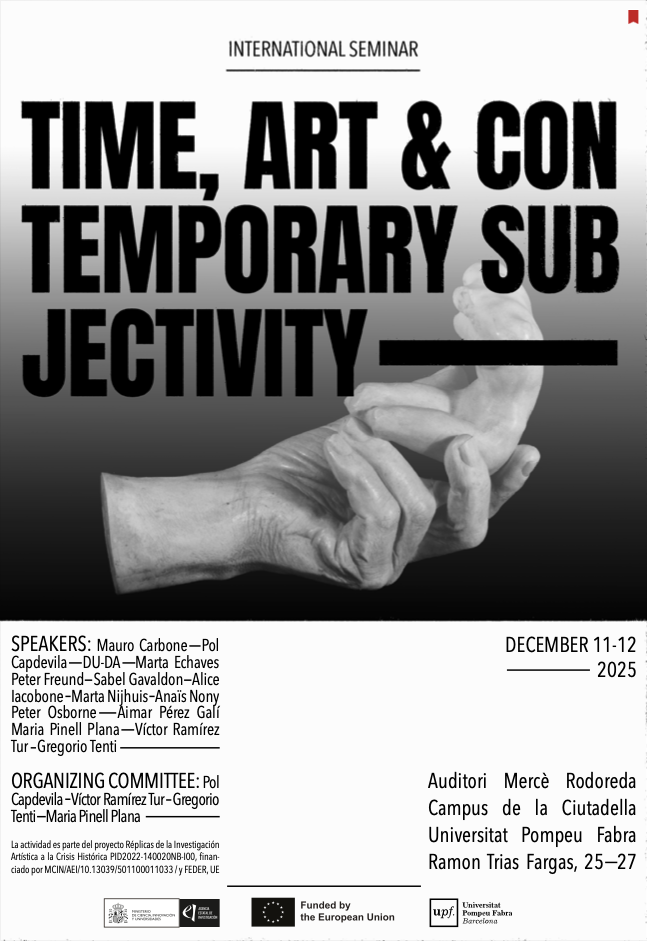
Last week I attended and did a talk+screening in the two-day conference, «Time, Art & Contemporary Subjectivity», at Universitat Pompeu Fabra. The program line-up:
DAY 1
Peter Osborne (Kingston University London). The I and the We (the You, the It, and the They): Subjectivity, Personhood and Thingness in Hegel, Benveniste, Freud and Marx
Anaïs Nony (Johannesburg Institute for Advanced Study). Beyond preemptive time, towards a political ecology of minds in the age of AI
Peter Freund (Saint Mary’s College of California). The Productive Impasse of Synchronization
Pol Capdevila (Universitat Pompeu Fabra). Who’s that? Exploring Subjectivity in Moving Portraiture
Gregorio Tenti (Universitat Pompeu Fabra). Painting Deep Time. Art and Incommensurable Temporalities
Marta Echaves (Independent). K-Time
Maria Pinell Plana (Universitat Pompeu Fabra). Together in rhythm. Experimental cinema and collectivity through Artistic Research
DAY 2
Mauro Carbone (Université Jean Moulin Lyon 3). Subjectivation: individual, dividual, condividual
Alice Iacobone (University of St. Gallen). Minor Subjectivities, Nonlinear Temporalities. Aesthetics, Poetics and Politics in the Curatorial and Theoretical Work of Georges Didi-Huberman
Víctor Ramírez Tur (Universitat de Barcelona). What Does the Time of the Dead Awaken in Me? Mourning Intersubjectivities in Artistic Practice – Canceled
Sabel Gavaldon (MACBA). Surviving Liveness: Archives of Gesture and the Voguing Body
Marta Nijhuis (Université Jean Moulin Lyon 3). Wasting Time, Making Time: Artistic Practice in the Age of Real-Time
Aimar Pérez Galí (Institut del Teatre de Barcelona). Anacronismos somáticos
DU-DA (Independent). Lenta estrella fugaz
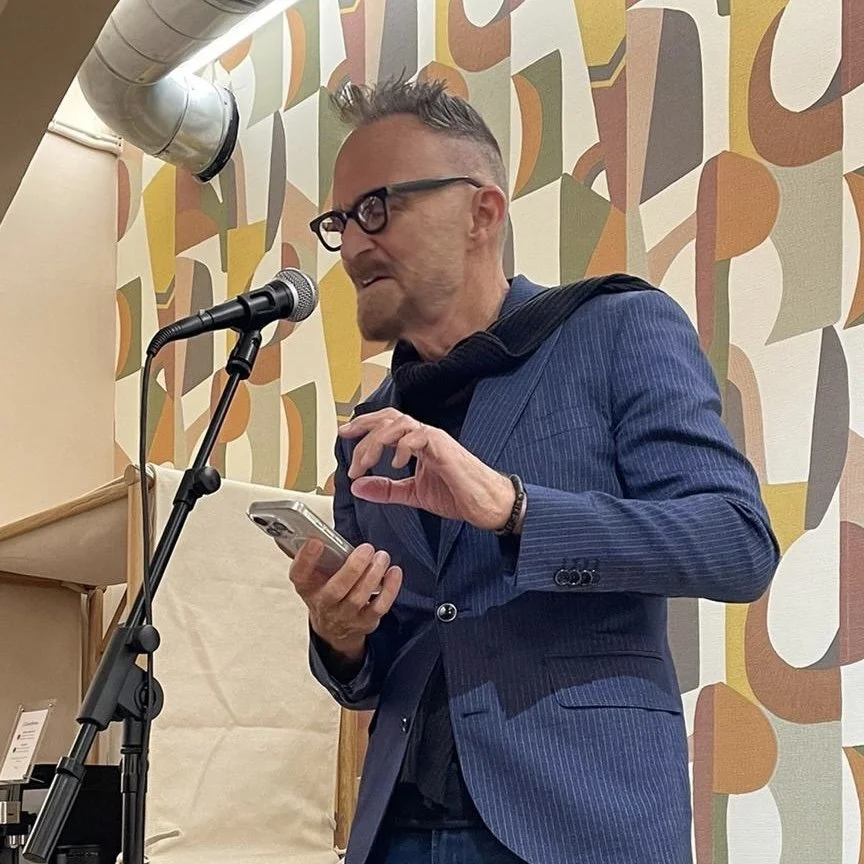
Poetry Open Mic 2
Gypsy Lounge Barcelona open mic, this past Saturday night, presenting a vignette from the novel in progress. Reading aloud can be like pulling a painting off the easel and holding it to a mirror. You see more in reverse. As for the program, there was a lot of variety (a mix of poetry, prose, pantomime, song) and a nice turnout. And it seems, always newcomers and regulars.
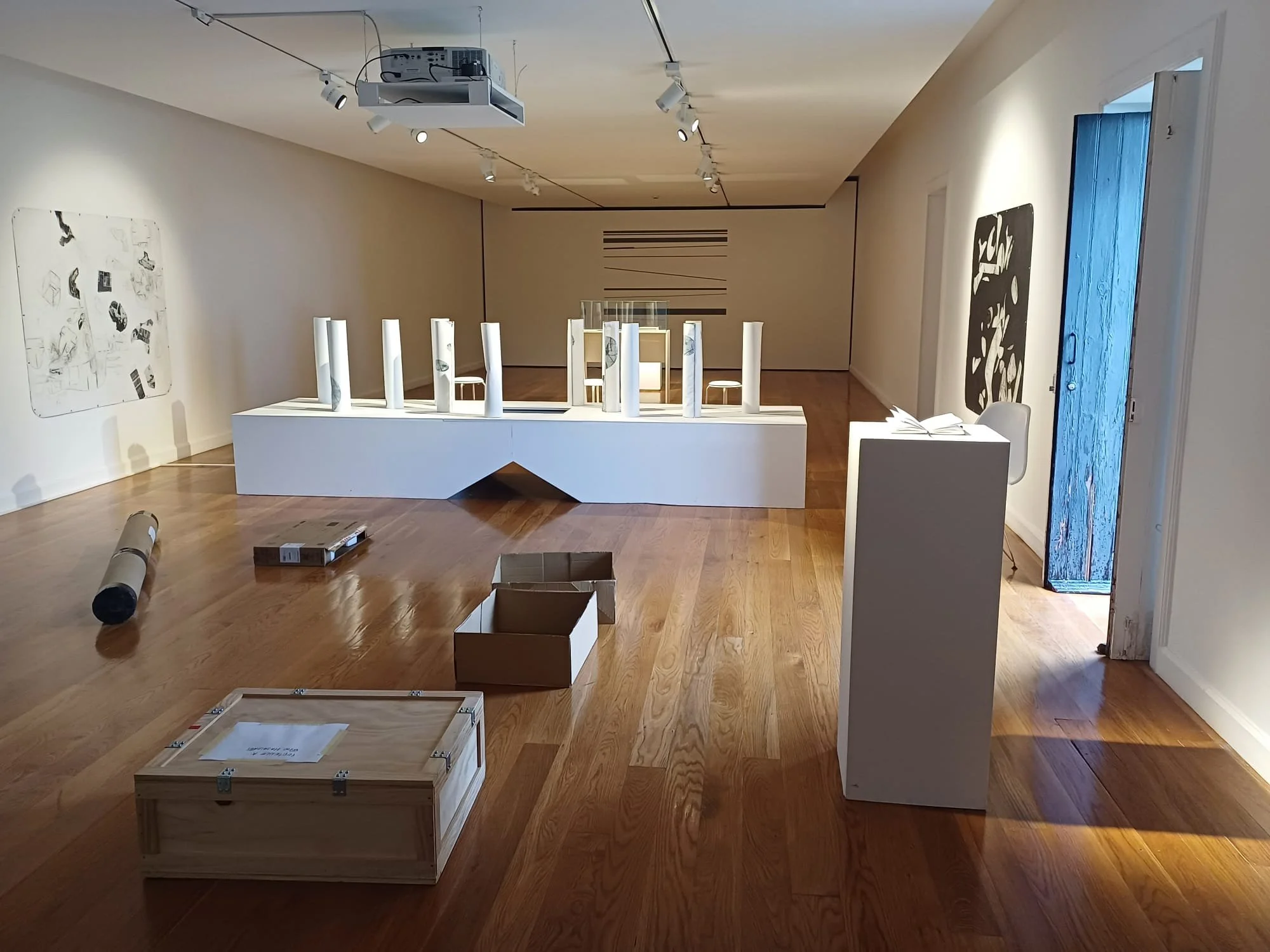
Mudas Museum Exhibit De-installation
Our (May-October 2025) exhibit at the Mudas Museum of Contemporary Art closed today. (For more information and photos, see June 1, 2025 blog post.) Packing boxes are out, lights off for projections (back half of main room pictured below). What a process leading up to this show. Nearly four years since the initial proposal. Along the way, many many obstacles – some absurdities – we turned to benefits. Truly «retractive», in my vocabulary. Vitor did a Portuguese TV interview on the exhibit and will be publishing an article in a very good magazine. Next up: prepare the exhibit catalogue/book.
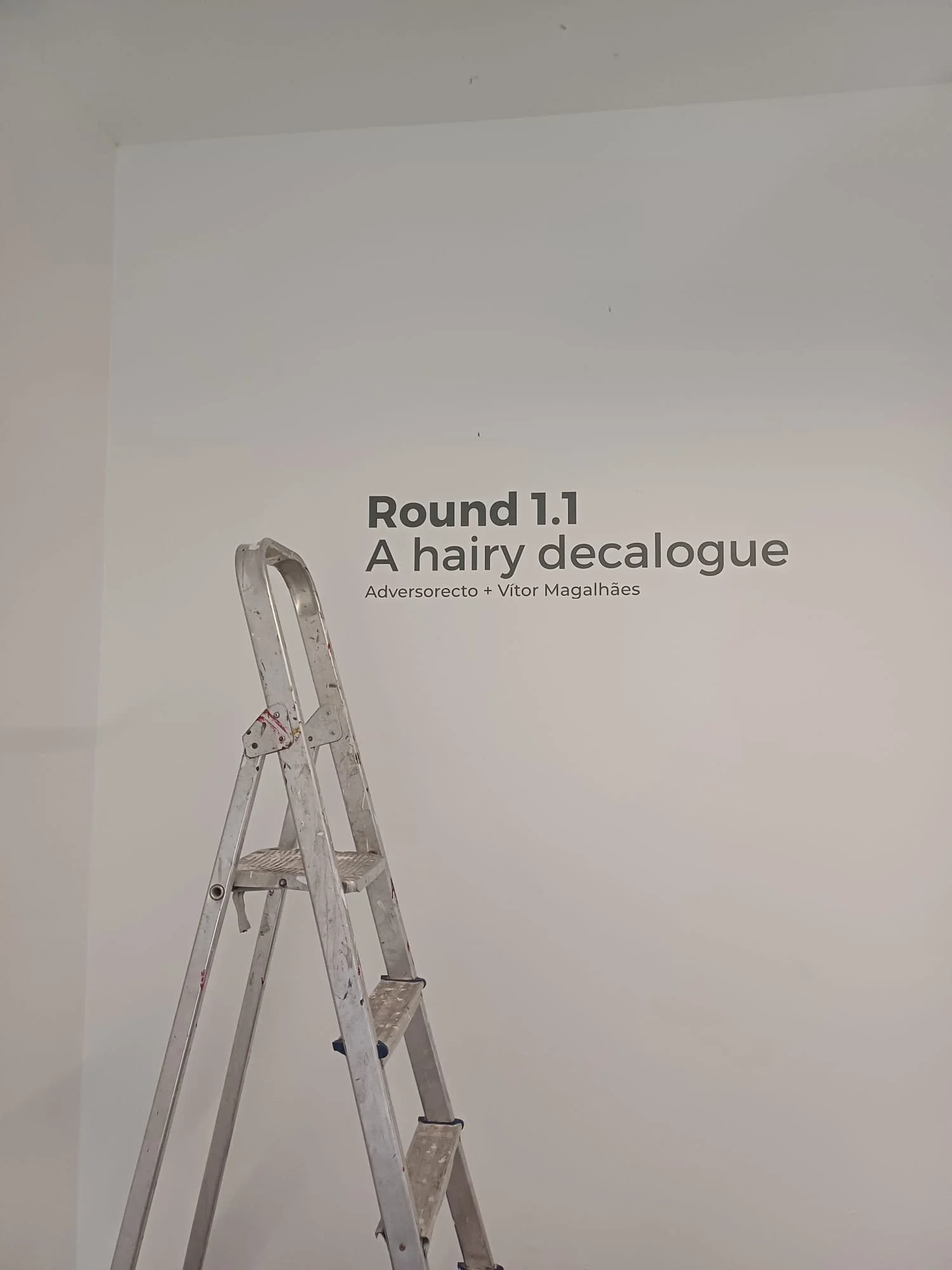

Arab Experimental Film + Moving Image Festival @ Ausland, Berlin
My film short «Camp» (half in Arabic with English subtitles…the other half in Mandarin) will be featured in the Arab Experimental Film and Moving Image Festival, presented at Ausland in Berlin (October 17-19, 2025). I’m delighted to be included as the only U.S. artist in the festival. The majority are from the Middle East, as one would expect, especially Egypt and Lebanon as well as Algeria, Tunisia, and Sudan. Wish I could attend.
MACBA Museum acquires «Lost Grids»
Two years after the fact, this morning I happily discovered my project listed in the catalogue of the Barcelona Museum of Contemporary Art (MACBA) as purchased for their Archive: «Lost Grids: or How to Explain Digital Media to a Dead Socialist» (see the catalogue description above). The artist book comprises a clothbound hardcover enclosure containing prints and pamphlets with image-text materials and poetic reflections for each of the five sections or «chapters»: Marx’s Beard, Arrival of the Train, Novella del Grasso, The House Is Black, and Portolan Orifice. I developed the ideas for this artist book portion of the project as the focus of my 2018-19 sabbatical residency with the MACBA Centre for Research and Documentation. A few years later, the book was completed and, in addition, other manifestations (video installations, prints, five loose-leaf books of 500+ pages each of hexadecimal code, etc). Some of these other manifestations form a key part of a current exhibition at the Mudas Museum of Contemporary Art in Madeira, Portugal: «Round 1.1: A Hairy Decalogue». The exhibition runs May through October 2025.
MACBA ARCHIVE Listing
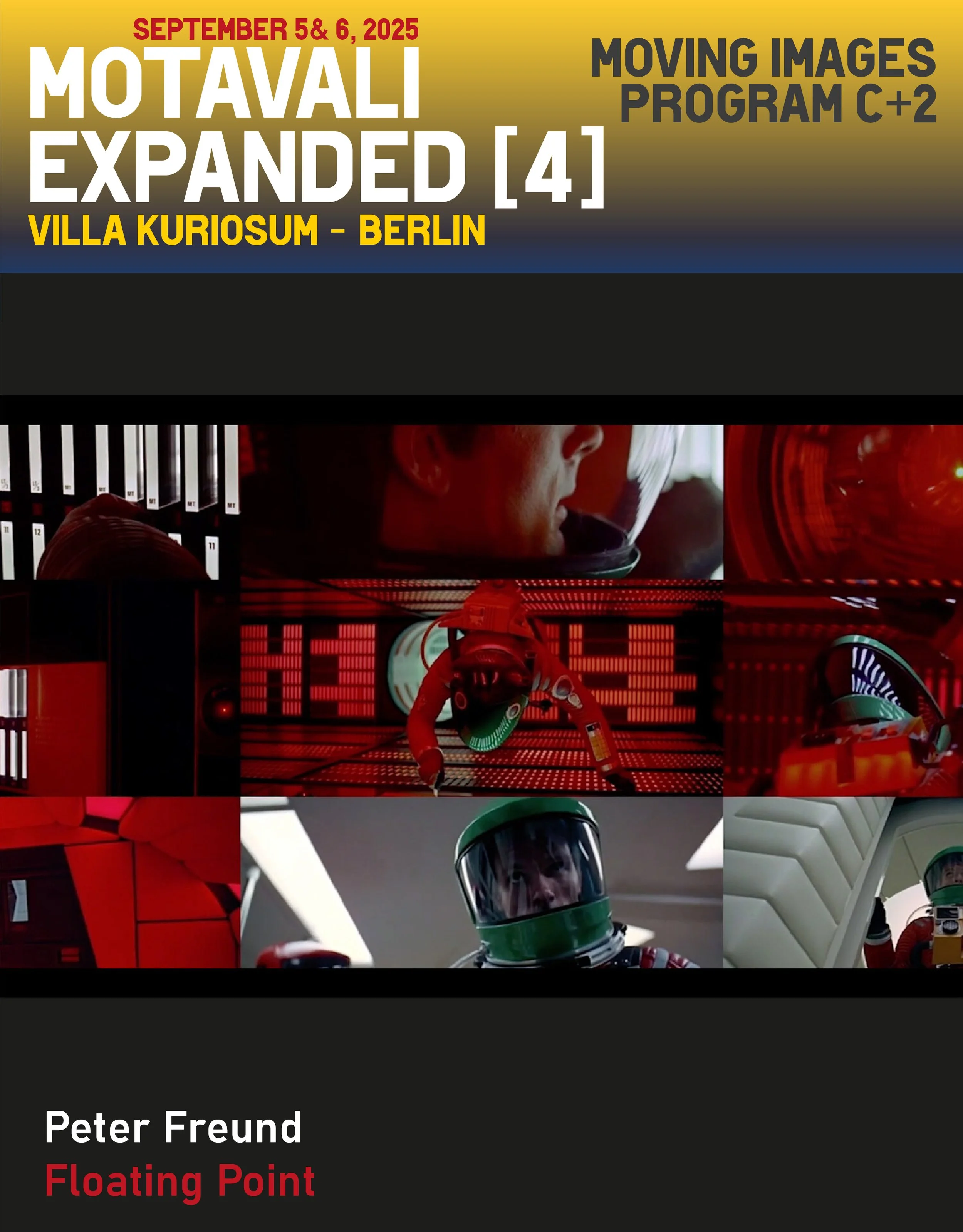
MOTAVALI EXPANDED: Film Installation Show @ Villa Kuriosum, Berlin
MOTAVALI EXPANDED [4]
September 5-6, 2025
Co-curated by Room for Doubt + Parking Video Library
Villa Kuriosum
Scheffelstraße 21, 10367 Berlin
Directions: S-Bahn StorkowerStr. o. S Frankfurter Allee,
U5, M21, M13, M16
«The wager of the algorithm» just published in ARTEACTA journal, issue 13.
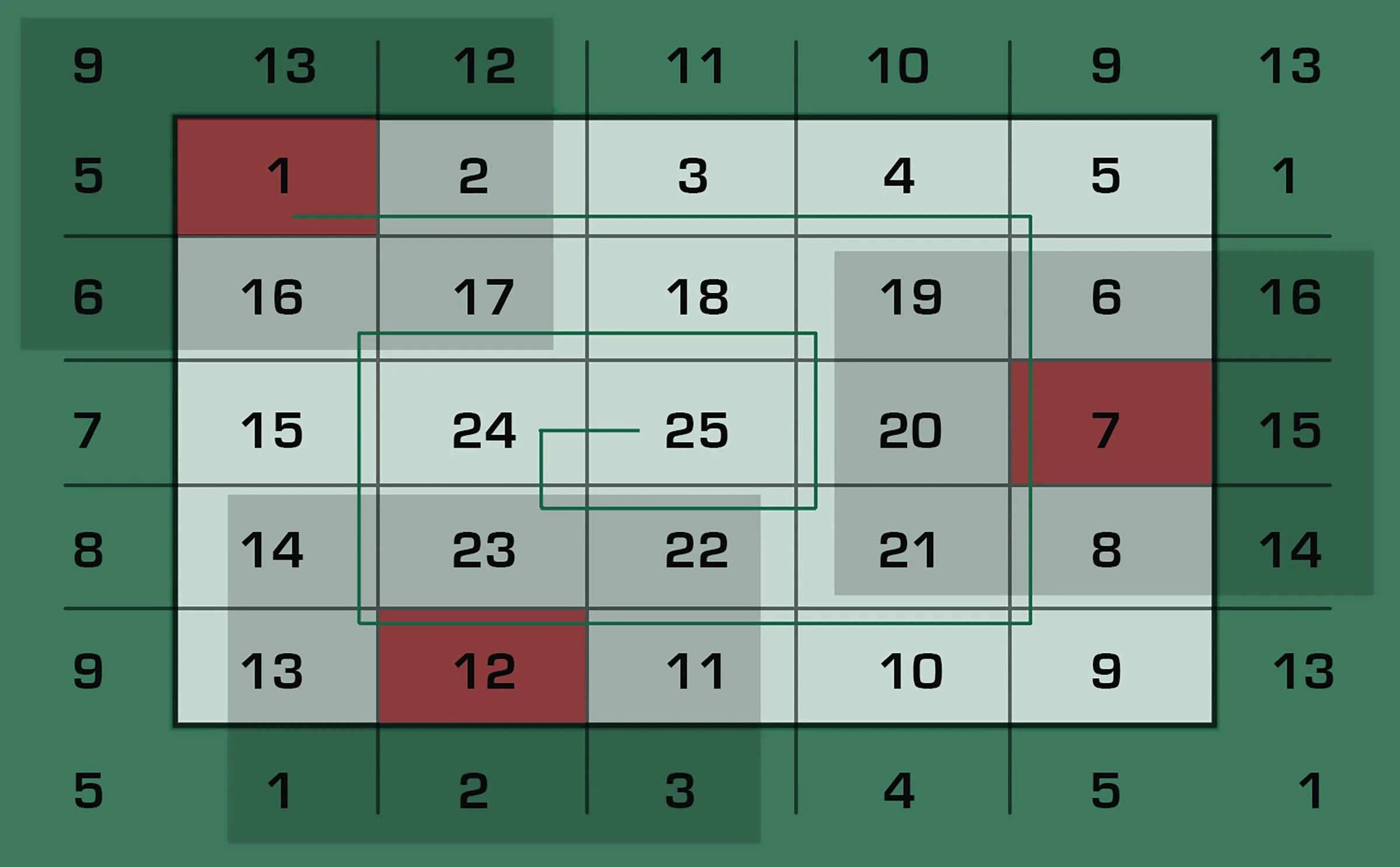
Driven by a twist of humor, a political annoyance, and a flight of fancy, I present this hybrid essay and artwork. Two ideas of artificial intelligence prevail today: one utopian, the other paranoid. My exposition endeavors to find a third path (artistic+political) beyond these two views by tampering with internal structural contradictions in the very logic of artificial intelligence itself.
My calculated misstep of academic prose «The Wager of the Algorithm: Towards a Performatic Gesture» was just published in the SAR performance studies journal ARTEACTA (Czech Republic), this issue #13 on AI (and) Art: The Poetics of Prompting. Allusions to computation theory, art history, philosophy, and work I’ve done with AI and code give context for the central argument. Some experimentation with the conventions and limits of academic prose should be expected.
[View URL on computer only for proper formatting. Click link here:
The Wager of the Algorithm: Towards a Performatic Gesture.]
ABSTRACT:
The fantasy of the algorithm and, by extension, artificial intelligence imagines that each performs by executing an operational task. Yet, based on its inherent computational structure, the digital performance fails to live up to its instrumental promise. This failure foregrounds an occasion for artistic intervention. “The Wager of the Algorithm: Towards a Performatic Gesture” presents a theoretical statement (illustrated via artwork by the author) in which the overall exposition underscores a dialectic within instrumental reason itself. The “prompt” names a shorthand for the fulcrum of this problematic.