COLOR-CODE: MARX’S BEARD
<Video Preview link>
1
The current project aims to contribute to the tradition of found footage filmmaking by foregrounding the need to rethink and expand what counts as «found» in the art and politics of found footage filmmaking. We now live in an age when, as the story goes, the image offers up less a display for the human eye than a data set – latent yet generative – that functions within operational systems. The data sets feed into algorithms and artificial intelligence within instrumentalized systems ranging from resource extraction, human surveillance, and military applications to product development, sales, labor management and beyond. Within the techno-political context, questions abound regarding this status of the image as well as its relation to the increasingly dubious classificatory and descriptive powers of semantic text.
2
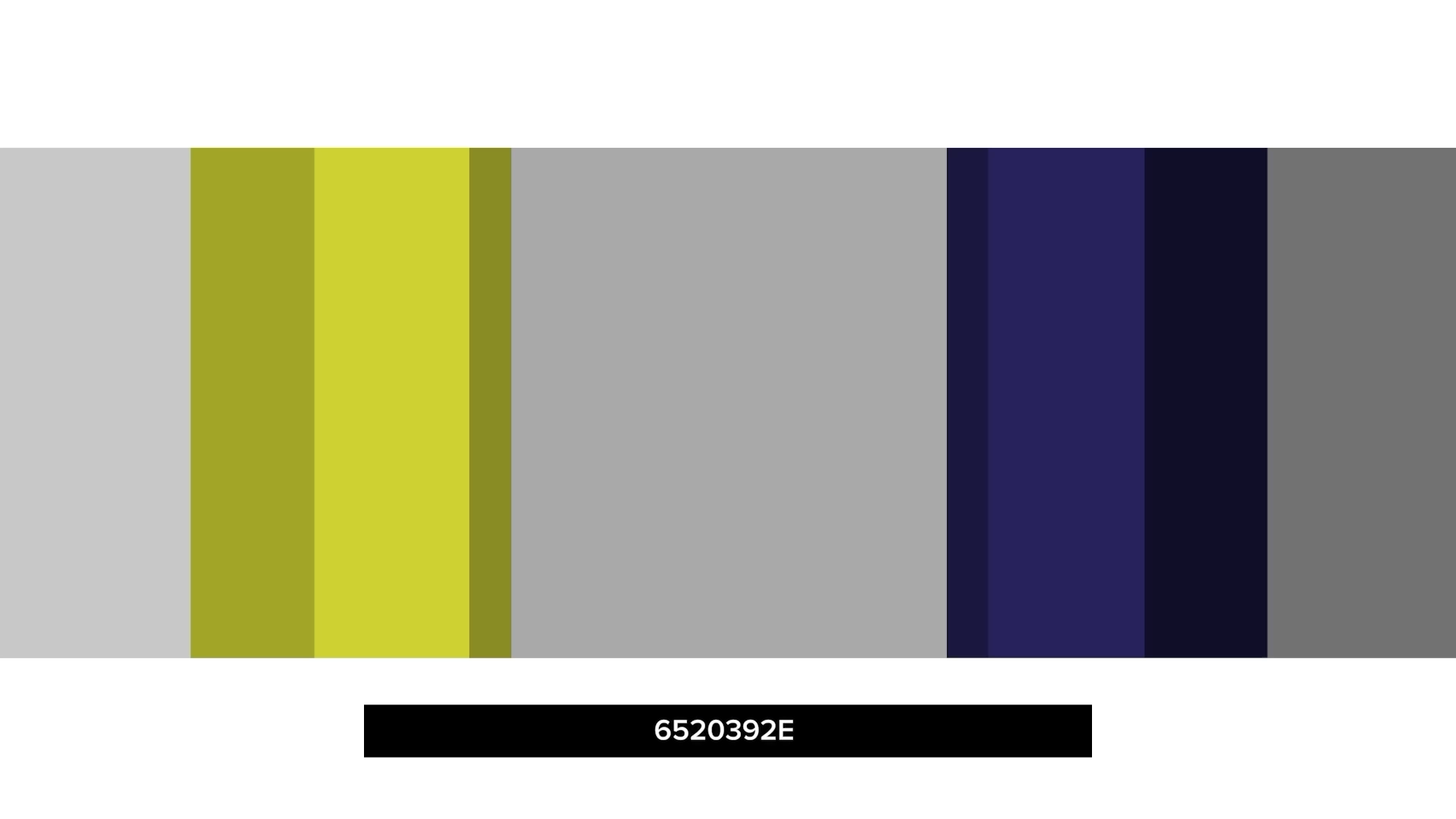
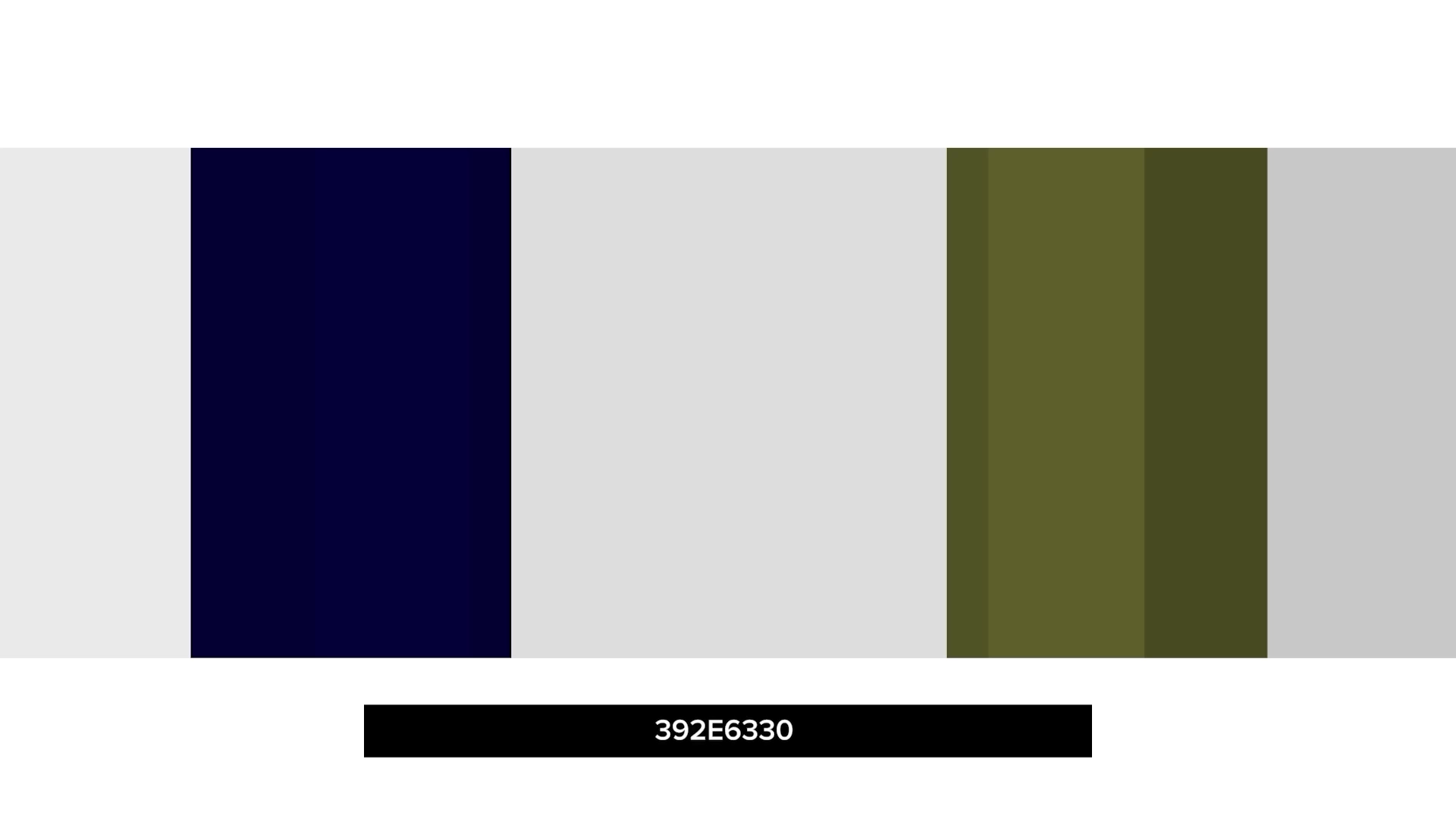
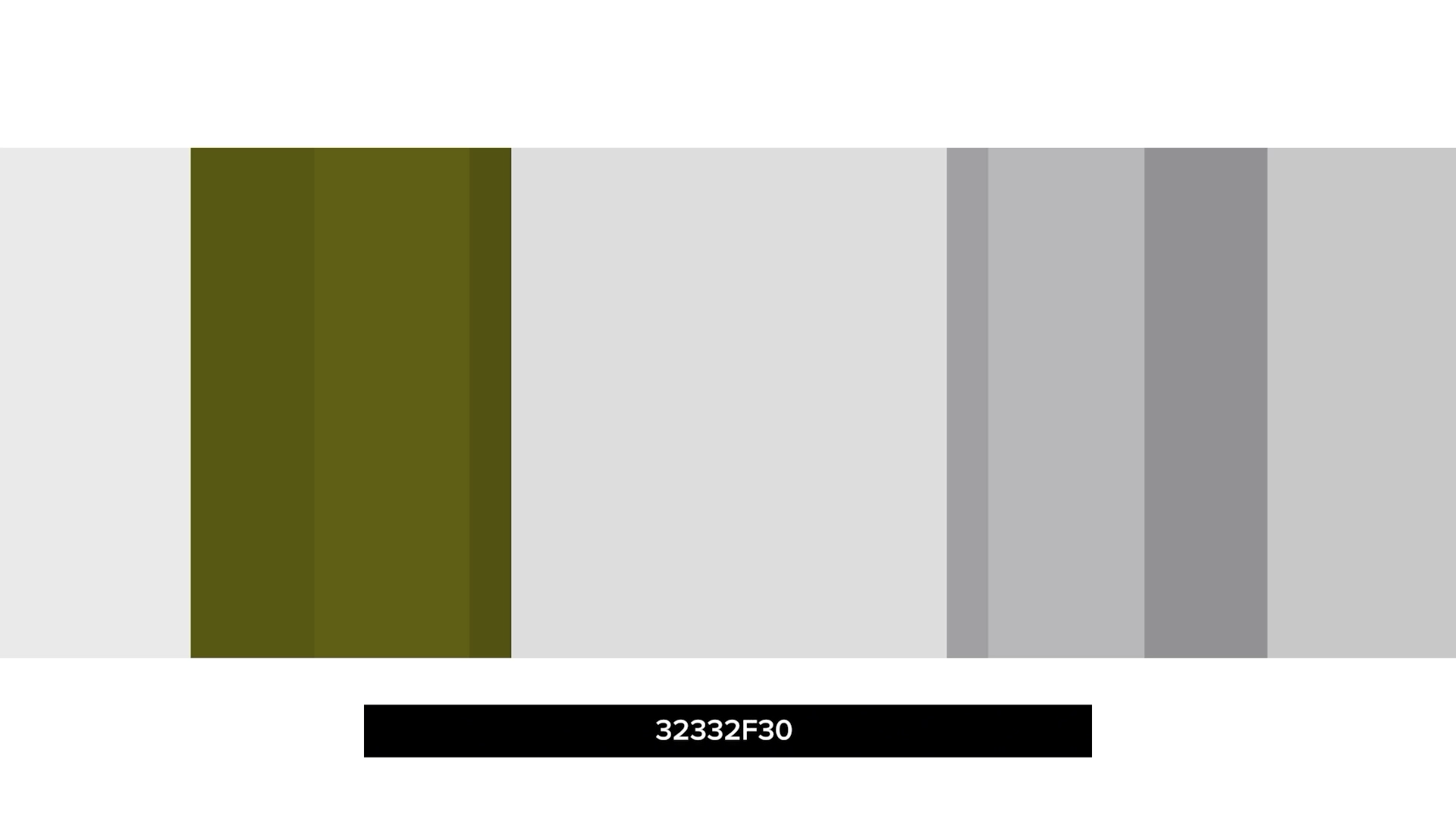
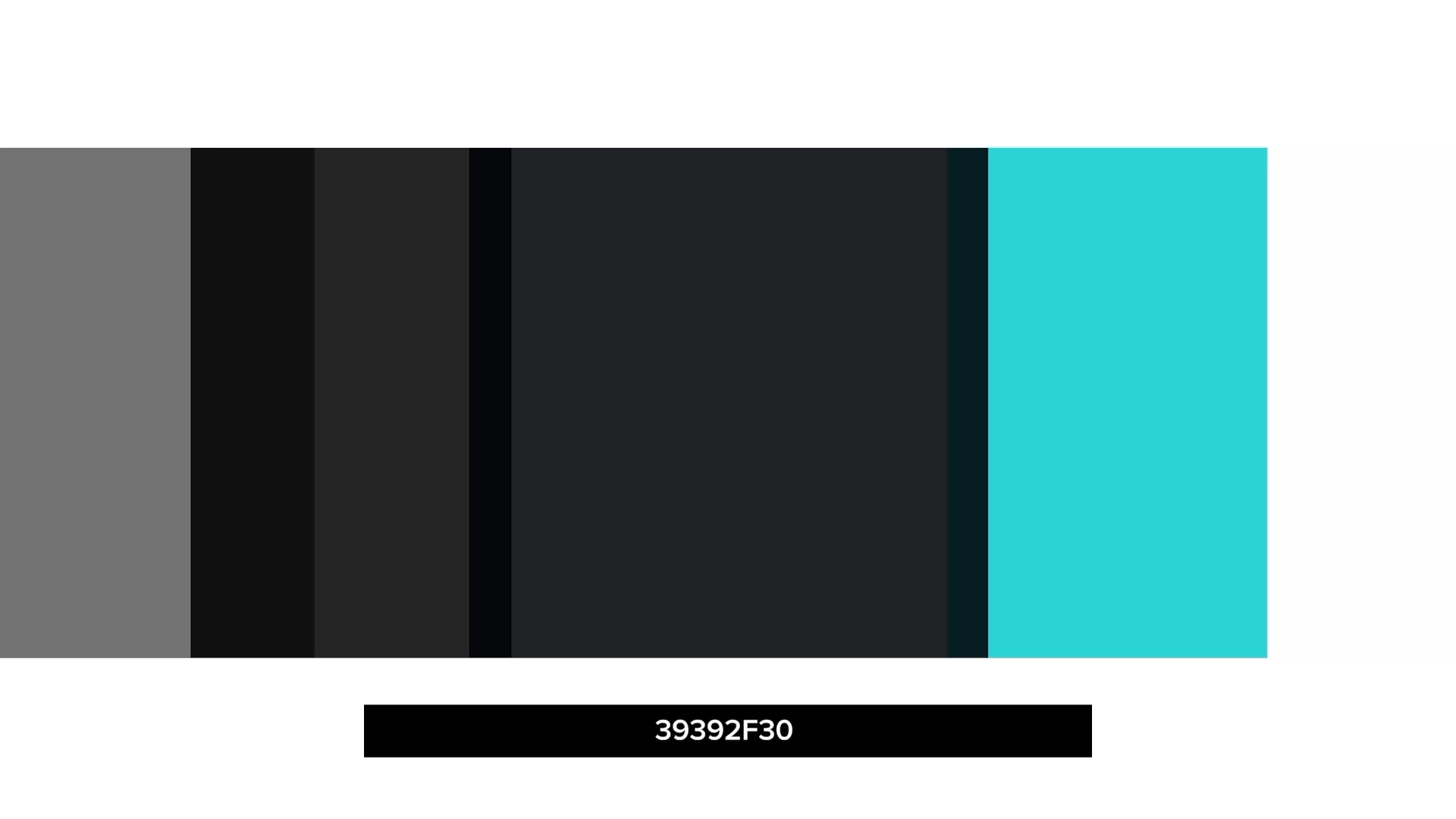
«Color-Code: Marx’s Beard» comprises the first in a new five-part video installation series which presents the next manifestation of the ongoing project titled «Lost Grids: or How to Explain Digital Media to a Dead Socialist» (2018-Present). The «Lost Grids» work springs from the provocative coupling of images and statements cited from the cultural archive. In a collision between incompatible «languages», the texts are entered directly into the underlying code-bed of their corresponding images so as to produce in the latter a visual glitch which is ultimately magnified and forged into various artistic forms (prints, artist books, experimental texts, videos, performances). The visual track of «Color-Code: Marx’s Beard» presents the multi-colored glitch produced when an incendiary self-critical statement from an avant-garde Marxist group (the Situationist International) opposing radical dogma has been entered into the code-bed of the certified portrait of Karl Marx.
3
A flip of surface and depth occurs here as the magnified glitch moves to become the surface image while the hexadecimal code undergirding this glitch is recited and shown in subtitles. A comparison between voice and subtitle reveals a literal yet sometimes unexpected and humorous interpretive recitation that mixes English with spurts of Mandarin as well as mathematical shorthands, all of which suggest a creative, aleatory or at least variable latitude for reading the numbers and letters revealed at hand. Here one detects a gap between two ideas of «performance» at play: vocal interpretability and algorithmic iteration.
4
The general project is an ongoing investigation of the incommensurability of surface and depth. The contemporary condition of the image – split between its optical, contemplative and its underlying computational dimensions – expresses the current historical variation of the basic division that structures the image as such. This historical variant embodies a predominantly technocratic function of the age-old mystery and structural quandary dividing surface and depth. The «Color-Code» performance series comprises five video installations in variable lengths (2.5 min, 5 min, 30 min, 1 hour), designed according to different types of presentational venue.