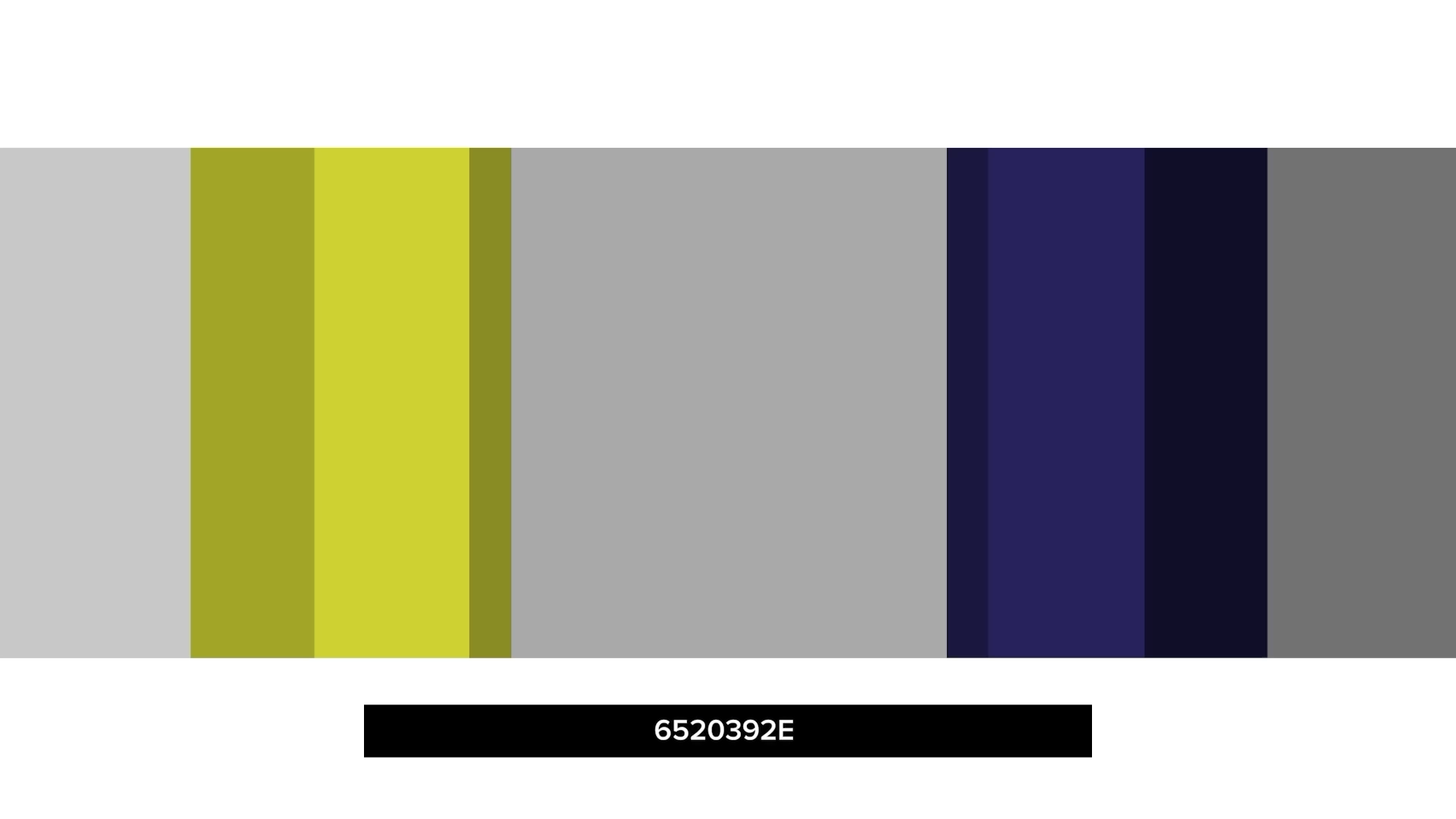
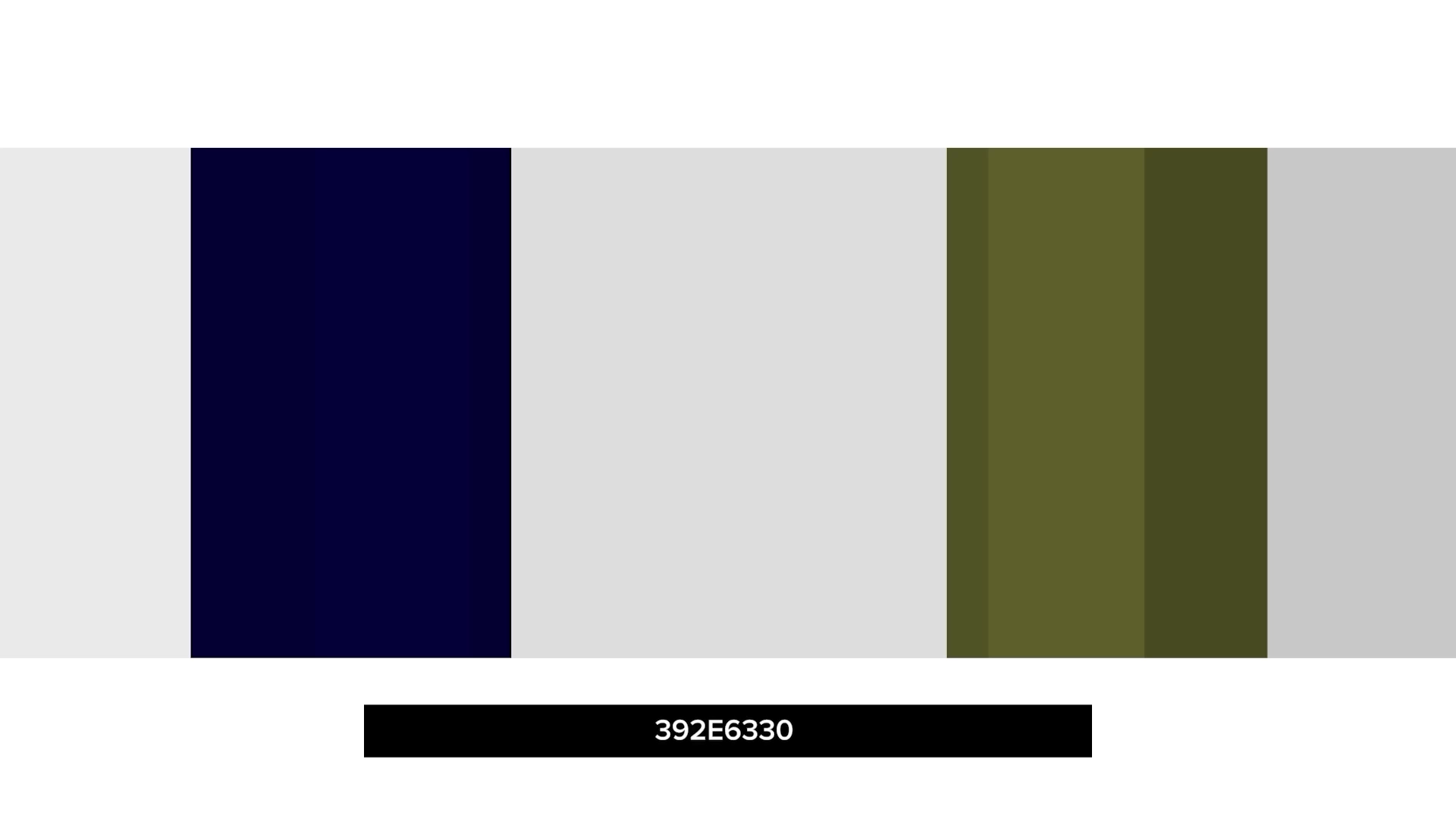
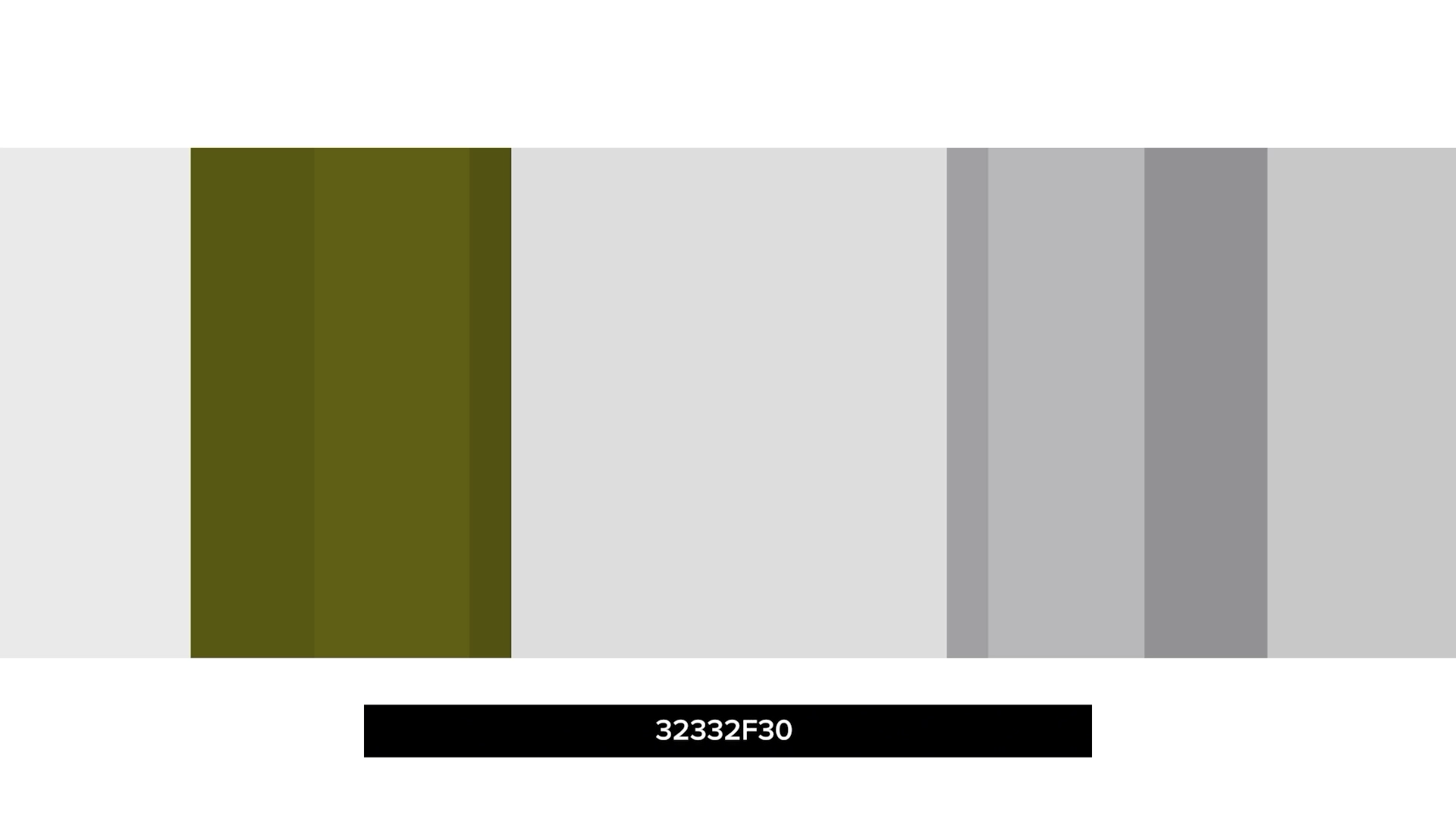
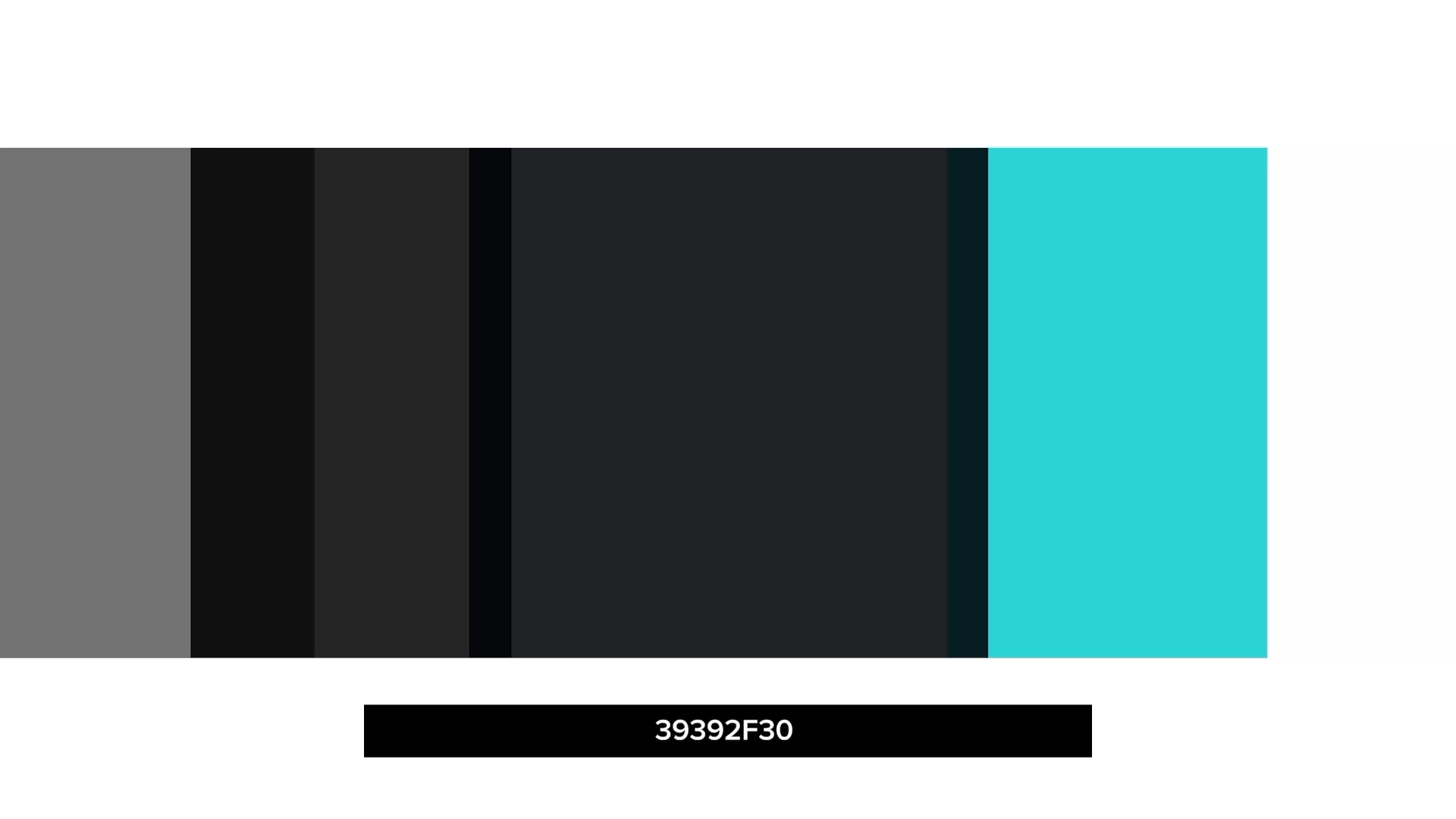
COLOR-CODE: MARX’S BEARD
<Video Preview link>
My current video work «Color-Code: Marx’s Beard» presents a further manifestation of the project titled «Lost Grids: or How to Explain Digital Media to a Dead Socialist» (2018-Present). The ongoing «Lost Grids» began with the experimental coupling of images and texts cited from the cultural archive. (The logical joints made to link pictures and words plucked from the vast morass of our self-contradictory cultural heritage have long troubled and inspired many an art theorist and practitioner.) These apparently far-flung couplings were organized into relatively small, thematically associative networks, each of which as an ensemble embodied a kind of «vernacular archive» of its own.
From each small network of image-text pairings, one coupling was selected for a calculated misuse of digital code: The semantic text was entered directly into the underlying digital code-bed of its corresponding visual image. Rather than pursuing the visible and legible strategy of culture jamming (image-text juxtaposition), this collision of incompatible «languages» resulted in a specific visual glitch in the optical image, which was then magnified and adapted, in the specificity of its failed state, for a particular artistic expression: prints, artist books, and so forth, which appear decorative without betraying the strange experimental process from which they sprang.
Based on the digital materials produced at the outset of «Lost Grids», «Color-Code: Marx’s Beard» comprises the first work in series of glitch cinema that takes the form of projected video installation (one-hour or 30-minute looped) as well as a single-channel cinema presentation (2.5 minutes or 5 minutes). Drawing from the interventions in one of the small networks, each piece in the series then aims to open up a mode of expression that brings forward the particular incommensurability of surface and depth in our contemporary algorithmic age. These pieces work by the absurdist conceit of flipping the structural split in the image – its visual appearance and underlying code – by turning what is normally the visible surface into the latent depth, and conversely, making what is normally the latent depth of code into an element of the manifest surface.
«Color-Code: Marx’s Beard”», along with the entire five-piece series of which it is a part, contributes a proposal and even argument to the tradition of found footage filmmaking. The proposition suggests a need to rethink and expand what is meant by “found” in the art and politics of found footage filmmaking. Namely, what we «find» in found footage is not simply the optical display supplying evidence or enjoyment for artistic recontextualization but also a latent yet generative code-bed that functions in all manner of operational systems. Inspired by the work of such artist-researchers as Harun Farocki, Hito Steyerl, Trevor Paglen, and others, this video series broadens and problematizes the material field for interventions and performs a double détournement.
The visual track presents in serialized form the color tiles of a magnified glitch (pixelation) that has resulted from inserting semantic text (a critical statement) directly into the encoded data undergirding the famous 1875 photographic portrait of Karl Marx. Intervention aims to undercut the simple assumption that an explanatory text as caption or abstract contextualization embodies what underlies an image.
The simultaneous vocal track then presents the equally absurdist recitation of the hexadecimal string that encodes this visual distortion and that are provided in subtitles. The matches and variations between voice and subtitle point to a tension between two ideas of “performance” at play: vocal interpretability and algorithmic iteration.